Pacific Mental Health Services is a fully virtual, licensed telehealth therapy practice serving residents across all 58 California counties. We exist because quality mental health care should not depend on where you live, what you drive, or whether you can take time off work to sit in a waiting room.
Our clinical team is grounded in evidence-based practice, clinical accountability, and a genuine belief that the therapeutic relationship, built on trust, consistency, and honesty, is the foundation of meaningful change.
We accept Medi-Cal through our contract with Partnership HealthPlan of California, and private pay. Same-week appointments are available. No waitlists. No commute. Just care.
Our Clinical Philosophy
We practice from a humanistic foundation, meaning we see every patient as a whole person, not a set of symptoms. Evidence-based techniques are tools. The relationship is the treatment.
Who We Serve
Adults, teens, children, couples, and families across California. We work with a wide range of presentations, from everyday stress and life transitions to complex, co-occurring conditions.
Supervision & Accountability
All associate clinicians work under the direct supervision of Ryan Frost #51777, a licensed, BBS-registered supervisor. Clinical oversight is not a formality at PMHS. It is a clinical standard.
Partnership HealthPlan of California
Have Partnership HealthPlan? Your therapy is covered.
Pacific Mental Health Services is a contracted provider with Partnership HealthPlan of California. If you have PHP through Medi-Cal, your mental health therapy sessions are typically covered at no out-of-pocket cost to you.
No referral required. No waitlist. Same-week appointments available. We serve all 14 PHP member counties via telehealth from wherever you are in California.
Check Your Eligibility
Do you have Medi-Cal?
What county do you live in?
✓ You likely qualify for covered therapy at no cost.
Your county is served by Partnership HealthPlan of California. If your Medi-Cal is through PHP, your sessions are typically $0 out-of-pocket. We verify your coverage before your first appointment.
We may still be able to help.
PMHS also accepts Medicare, Medi-Medi, and private pay. A free 15-minute consultation is available to anyone. We can also help you check if you qualify for Medi-Cal.
We serve all 58 California counties.
Your county may not be a PHP service area, but PMHS accepts Medicare, Medi-Medi, and private pay statewide. Submit your inquiry and we will confirm your options.
Contracted PHP Provider
We are credentialed directly with Partnership HealthPlan. No out-of-network surprises.
Typically No Cost to You
Most PHP members owe nothing for covered outpatient mental health sessions. We verify benefits before your first appointment.
All 14 PHP Counties
Humboldt, Siskiyou, Trinity, Mendocino, Lake, Shasta, Lassen, Modoc, Napa, Solano, Yolo, and more. Telehealth means we come to you.
No Referral Required
PHP members can access outpatient mental health therapy directly. You do not need a referral from your primary care physician to get started.
Service Area
We serve all Partnership HealthPlan counties via telehealth.
Coverage Check
Not sure if you have Partnership HealthPlan?
Many Medi-Cal patients don't realize they're already enrolled in PHP. Here's how to find out in under 2 minutes.
1
Check your Medi-Cal card
If it says "Partnership HealthPlan" or "PHP" anywhere on the card, you are enrolled.
2
Call PHP Member Services
Call (800) 863-4155 (Mon–Fri, 8am–5pm) and ask: "Am I enrolled in Partnership HealthPlan?" They can confirm in under a minute.
3
Let us verify for you
Contact us with your Medi-Cal ID and county. We verify your PHP benefits before your first appointment at no cost.
Live in Humboldt, Siskiyou, Trinity, Shasta, Mendocino, Lake, Lassen, Modoc, Napa, Solano, Yolo, or Del Norte County? If you have Medi-Cal and live in one of these counties, you are almost certainly enrolled in PHP and may qualify for therapy at no cost.
Therapy is not only for people in crisis. It is for anyone who wants to understand themselves better, navigate a difficult period, or build the skills to handle what life throws at them.
You do not need to have a diagnosis. You do not need to be at a breaking point. Many people begin therapy simply because something feels off and they cannot quite name why. That is enough.
The only prerequisite for therapy is a willingness to show up. Everything else is figured out together.
You might benefit from therapy if you:
Feel stuck in the same patterns despite wanting to change
Struggle with anxiety, low mood, or emotional overwhelm
Are going through a major life transition or loss
Find it hard to communicate or connect in your relationships
Feel like something is wrong but cannot pinpoint what
Want a consistent, private space to think through what matters
Reach out by phone or email to schedule your free 15-minute consultation. No pressure, no commitment, just a conversation to see if we are the right fit.
Step Two
Meet Your Clinician
Get matched with the right clinician for your needs. Complete your intake paperwork securely through SimplePractice before your first session, no office visit required.
Step Three
Begin Your Care
Start therapy from wherever you are most comfortable, your home, your favorite chair, anywhere in California. High-quality, evidence-based care delivered securely to you.
Begin Your Journey
Ready to take the first step?
Schedule your free 15-minute consultation. No pressure, no commitment. Just a conversation to see if we are the right fit.
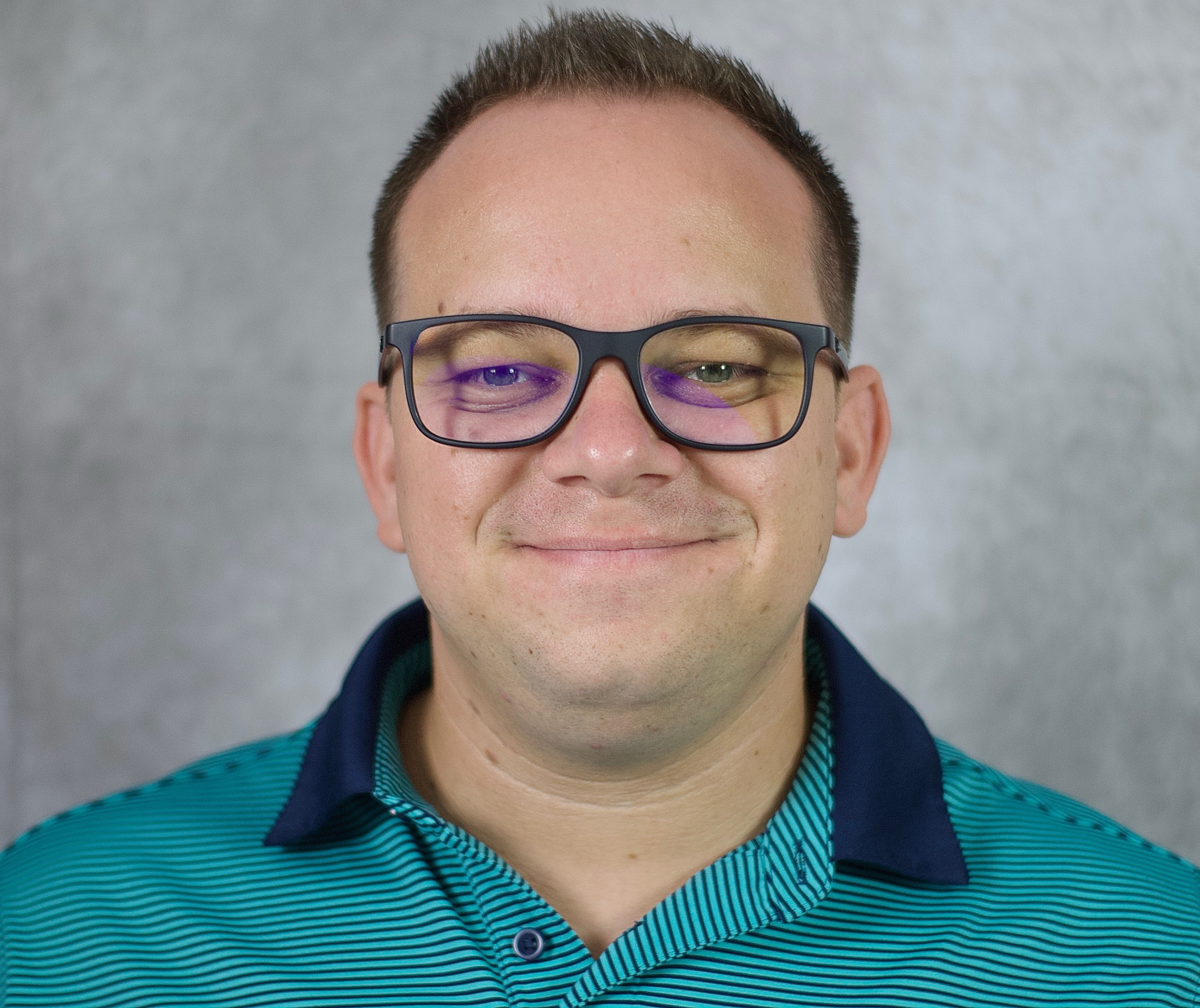
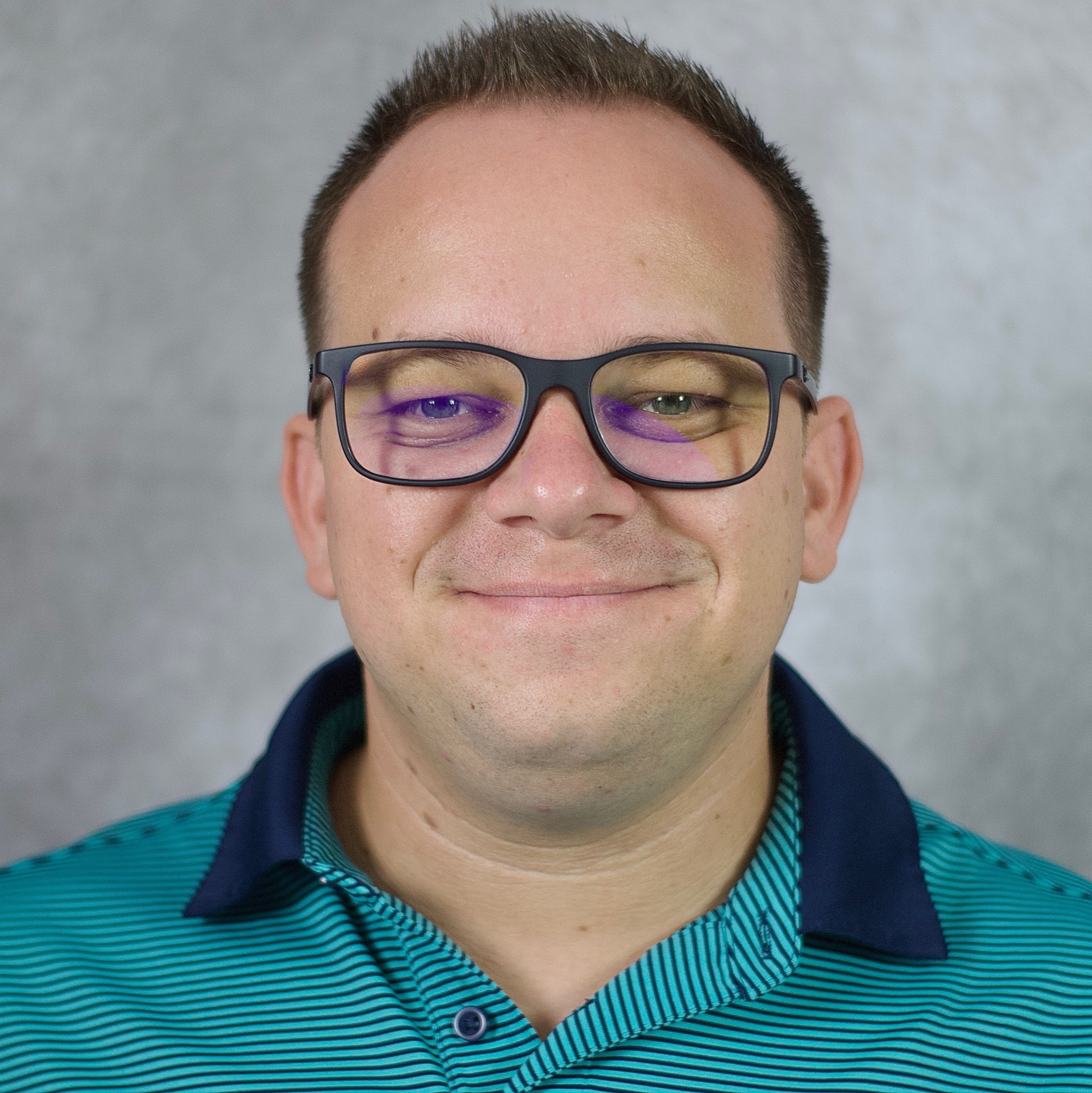
Ryan is the Director of Clinical Services & Training at Pacific Mental Health Services. He holds a Master of Arts in Counseling Psychology and is a Licensed Marriage & Family Therapist (LMFT #51777), registered with the Board of Behavioral Sciences (BBS) as a clinical supervisor in California. He brings extensive experience providing evidence-based care to individuals and families across the state and is certified in EMDR therapy. His approach is compassionate and grounded in helping patients build real, lasting change.
Ryan has a deep passion for teaching new clinical associates how to provide safe and ethical therapeutic modalities to patients who seek counseling services through Pacific Mental Health Services. He utilizes clinical supervision to ensure the safety and well-being of each patient is always taken into consideration. Ryan guides his clinicians to embrace a humanistic approach to counseling, believing this framework produces the greatest outcomes in talk-based therapy. He also instills in his team a healthy work-life balance, recognizing that clinicians who care for themselves are best positioned to provide high quality, consistent care to every patient they serve.
Outside of the office, Ryan enjoys spending quality time at home with his dogs and attending social gatherings with friends and family. He has a love for travel, having explored numerous countries abroad and a wide range of destinations throughout the United States. He is also an avid reader, drawn particularly to topics in psychology, leadership, and human behavior, which he brings back into his clinical and supervisory work.
Dmitri Kolpacoff is an Associate Clinical Mental Health Counselor and co-founder of Pacific Mental Health Services, where he provides virtual counseling services to individuals across California. He holds a Master of Science in Clinical Mental Health Counseling (2025) from Capella University, a CACREP-accredited program, and a Master of Business Administration in Healthcare Administration (2018) from La Sierra University.
Dmitri is currently pursuing a PhD in Counselor Education & Supervision (CES) with an emphasis in telehealth counseling, private practice, and supervision. He is also working toward full licensure under the clinical supervision of Ryan Frost. His work is grounded in practical, patient-centered approaches that emphasize accountability, clarity, and measurable progress. Prior to joining PMHS, Dmitri spent five years at Compass LLC providing direct care to adults with intellectual and developmental disabilities (IDD) and physical disabilities under Medi-Cal. That background informs his work with this population today.
Outside of his professional life, Dmitri stays active and grounded through outdoor activities. You will likely find him snowboarding in the winter, hiking local trails, or backpacking in the mountains. He values time in nature, physical challenge, and one-on-one connection with close friends and family. That same commitment to discipline and presence outside the office carries directly into how he shows up for his patients.
A free 15-minute consultation is all it takes. No paperwork, no commitment. Just a conversation to see if we are the right fit for you.
What We Treat
Common Sense Therapy, Delivered Effectively.
Our clinicians use a wide array of experiences and treatment modalities to create an eclectic approach tailored to the unique needs of each patient.
Last updated: July 2026
Commonly Addressed Issues
What brings people to telehealth therapy
Stress, panic attacks, trauma, PTSD, behavioral issues, life changes, goal-setting and motivation, emotional regulation, coping skills, self-understanding, identity, improving communication, anger management, and couples counseling.
Conditions We Treat
What we treat.
We work with adults, teens, and couples across California on a wide range of mental health conditions. This includes children and adults with intellectual and developmental disabilities (IDD) and physical disabilities. All care is delivered via telehealth and accepted through Medi-Cal, Partnership HealthPlan, and private pay.
Anxiety & Panic
Generalized anxiety, panic attacks, social anxiety, and phobias. Evidence-based approaches to reduce avoidance and build tolerance.
Depression & Mood
Major depression, persistent depressive disorder, low motivation, and mood dysregulation. Focus on behavioral activation and cognitive restructuring.
ADHD
Attention, focus, impulsivity, and executive function challenges in adults and teens. Practical strategies for structure, follow-through, and self-regulation.
Trauma & PTSD
Single-incident trauma, complex PTSD, and adverse childhood experiences. Treated with EMDR, trauma-focused CBT, and stabilization approaches.
Couples & Relationships
Communication breakdown, conflict cycles, intimacy, and trust repair. Gottman-based and emotionally focused approaches for couples at any stage.
Teen & Adolescent
Anxiety, depression, ADHD, identity, school stress, and family conflict in teens aged 12 and older. Developmentally informed care delivered via telehealth.
Life Transitions & Stress
Career changes, grief, divorce, relocation, and major life adjustments. Building resilience and clarity during periods of significant change.
Co-Occurring Conditions
Overlapping mental health presentations such as anxiety with ADHD, depression with trauma, or mood disorders alongside substance use history.
Grief & Loss
Bereavement, anticipatory grief, and loss of identity or relationship. Compassionate support through stages of grief without a prescribed timeline.
IDD & Disabilities
Therapy for children and adults with intellectual and developmental disabilities (IDD) and physical disabilities under Medi-Cal. Session pacing, communication style, and structure are adapted to the individual. Our clinician spent five years in direct care with this population before co-founding PMHS.
Caregiver Stress
Burnout, emotional exhaustion, and compassion fatigue in those caring for family members or loved ones. This includes parents of children with IDD, adults supporting family members with intellectual or developmental disabilities, and direct support professionals. Support for sustainable caregiving without losing yourself in the role.
OCD
Obsessive thoughts, compulsive behaviors, and anxiety-driven rituals that interfere with daily functioning. Treated with evidence-based approaches including ERP and ACT.
CBT is one of the most rigorously studied and effective forms of therapy available today. It works by identifying the connections between your thoughts, feelings, and behaviors.
Patients learn to recognize unhelpful thought patterns, challenge distorted beliefs, and replace them with more balanced perspectives. CBT is active and collaborative, you will practice skills between sessions, not just during them. It is especially effective for anxiety, depression, OCD, and stress-related conditions.
Identify and restructure thought patterns that keep you stuck
Build practical coping skills you can use immediately
Time-limited with measurable, clear goals
Homework and practice deepen progress between sessions
Strength-Based
Solution-Focused Therapy
Rather than dwelling on what went wrong, Solution-Focused Therapy is oriented entirely toward what you want your life to look like, and what is already working.
This approach is ideal for patients who feel stuck or overwhelmed, as it quickly redirects energy toward action and progress. Your therapist will help you identify exceptions, times when the problem was less severe, and amplify those patterns. Sessions tend to be brief, practical, and empowering.
Focus on goals and desired outcomes, not just problems
Identify strengths and resources you already possess
Make small, meaningful changes that build momentum
Well-suited for life transitions and short-term support
Couples
Gottman-Based Couples Therapy
Developed from over 40 years of research on what makes relationships succeed or fail, Gottman Method Couples Therapy is among the most evidence-based approaches to relationship work available.
Treatment begins with a thorough assessment of relationship strengths and challenges. Patients learn to identify and interrupt destructive patterns, such as contempt, defensiveness, and stonewalling, and replace them with skills that build friendship, trust, and lasting connection. This approach works for couples at any stage, from early conflict to the edge of separation.
Grounded in decades of peer-reviewed relationship research
Identify and interrupt the Four Horsemen communication patterns
Rebuild fondness, admiration, and emotional safety
Strengthen conflict repair and collaborative problem-solving
Practical
Symptom Reduction & Reality Therapy
Reality Therapy, rooted in Choice Theory, holds that all behavior is purposeful and that we always have more control over our lives than we realize. It is direct, action-oriented, and highly practical.
Patients explore their core psychological needs, belonging, power, freedom, fun, and survival, and examine whether their current behaviors are truly getting those needs met. The WDEP system (Wants, Doing, Evaluation, Plan) gives sessions a clear structure that produces tangible change. This approach is highly effective for patients who want accountability and forward movement rather than extended analysis of the past.
Clarify your core needs and whether current behavior serves them
Use the WDEP framework: Wants, Doing, Evaluation, Plan
Take ownership of choices and build personal accountability
Focus on present behavior and future goals
Mindfulness-Based
Acceptance & Commitment Therapy (ACT)
ACT helps patients develop psychological flexibility, the ability to be present with difficult thoughts and feelings without being controlled by them, while moving toward what matters most.
Rather than fighting or suppressing uncomfortable internal experiences, ACT teaches acceptance and mindful awareness. Patients clarify their deepest values and commit to action aligned with those values, even in the presence of pain or uncertainty. ACT has strong evidence for anxiety, chronic pain, depression, and burnout. It is particularly effective for patients who have tried to think their way out of distress without lasting success.
Practice acceptance of difficult thoughts without being defined by them
Develop mindfulness skills for present-moment awareness
Clarify personal values and live in alignment with them
Build committed action toward a meaningful life
Attachment-Based
Emotionally-Focused Therapy (EFT)
EFT is an attachment-based approach that helps individuals and couples understand the emotional cycles that drive disconnection, and find their way back to security and trust.
EFT maps the negative interaction patterns that keep patients stuck in cycles of conflict, withdrawal, and hurt. By accessing the deeper emotions beneath the surface, fear, grief, longing, patients can express their needs more vulnerably and respond to others with greater empathy. EFT has strong research support for couples, individuals dealing with trauma, and those navigating grief or relational injury.
Identify and interrupt negative emotional cycles in relationships
Access and express deeper primary emotions safely
Build secure, responsive emotional bonds
Effective for individuals, couples, and trauma recovery
Non-Directive
Patient-Centered Therapy
Rooted in the humanistic tradition of Carl Rogers, Patient-Centered Therapy offers a therapeutic relationship built entirely on unconditional positive regard, empathy, and authentic presence.
There is no agenda, no homework, and no predetermined goals imposed from the outside. The patient leads and the therapist follows with genuine curiosity and care. This approach creates a rare space of complete psychological safety, one that allows for deep self-exploration, emotional processing, and organic growth. It is particularly well-suited for patients experiencing depression, grief, identity questions, or those who simply need to be heard without judgment.
You direct the pace, depth, and focus of every session
Built on unconditional acceptance and authentic empathy
Encourages self-discovery without external pressure
Effective for depression, grief, anxiety, and identity work
Trauma-Focused
EMDR Therapy
Eye Movement Desensitization and Reprocessing (EMDR) is a highly structured, evidence-based treatment recognized by the WHO and APA as a first-line therapy for trauma and PTSD.
EMDR works by helping the brain reprocess distressing memories that have become stuck, memories that continue to trigger emotional pain, intrusive thoughts, or physical reactions long after the event has passed. Through bilateral stimulation (typically guided eye movements), patients can revisit difficult memories in a controlled, safe environment and allow the brain to process them adaptively. Many patients experience significant relief in fewer sessions than traditional talk therapy alone. EMDR does not require patients to discuss their trauma in detail.
WHO and APA recognized treatment for PTSD and trauma
Does not require detailed verbal retelling of traumatic events
Eight-phase, structured protocol with clearly defined safety checkpoints
Effective for PTSD, grief, phobias, anxiety, and complex trauma
Skills-Based
Dialectical Behavior Therapy (DBT)
DBT is a comprehensive, evidence-based therapy originally developed for patients experiencing intense emotional pain. Today it is one of the most effective treatments for emotional dysregulation across a broad range of conditions.
DBT teaches four core skill sets: mindfulness, distress tolerance, emotion regulation, and interpersonal effectiveness. The word "dialectical" refers to balancing two goals, accepting yourself exactly as you are, while simultaneously working to change. Patients learn to tolerate distress without acting destructively, regulate overwhelming emotions, and build relationships that work. DBT is particularly effective for patients who feel emotions more intensely than others, or who struggle with impulsive behavior, chronic emptiness, or volatile relationships.
Four skill modules: mindfulness, distress tolerance, emotion regulation, interpersonal effectiveness
Balances radical acceptance with active, committed change
Highly effective for borderline personality disorder, self-harm, PTSD, and eating disorders
Builds long-term resilience, not just crisis management
Narrative
Narrative Therapy
Narrative Therapy is a collaborative, humanistic approach that helps patients separate their identity from their problems, and rewrite the story they tell about themselves and their lives.
Rooted in the belief that people are the experts of their own lives, Narrative Therapy explores how the stories we internalize, about who we are, what we deserve, and what is possible, shape our experiences and choices. Patients work with their therapist to identify "dominant narratives" that may be limiting, harmful, or simply no longer true, and to construct alternative stories that better reflect their values, strengths, and aspirations. This approach is particularly effective for patients who have internalized shame, experienced trauma, navigated cultural or identity-related challenges, or feel defined by a diagnosis or difficult chapter of their life. Narrative Therapy does not pathologize, it externalizes problems and empowers patients to reclaim authorship over their own story.
Separates personal identity from problems, you are not your diagnosis or your struggle
Explores and challenges dominant narratives that limit growth or reinforce shame
Builds alternative, empowering stories grounded in personal values and strengths
Highly effective for trauma, identity work, grief, and cultural or social marginalization
Find the right approach for you.
Knowing the options is the first step. Choosing to act is the next.
Our clinicians are trained across multiple modalities and will tailor an approach to your specific needs. No waitlist. Same-week availability across all 58 California counties.
New to Pacific Mental Health Services
Get Started.
Tell us a little about yourself. We will follow up within 12 to 24 hours — though our average response time is about 6 hours.
Last updated: July 2026
Start Here
Inquire About Services
No Waitlist
Accepting New Patients
~6 Hours
Average Response Time
What Happens Next
Welcome & What to Expect
Medi-Cal
No Out-of-Pocket Cost
This Week
Same-Week Care Available
We are glad you are here, and we do not take that lightly. Reaching out for support takes real courage, and we are honored you are considering us for that step. Whether you have been thinking about this for months or just decided today, you do not need to have it all figured out. Our role is to meet you where you are, understand what you are carrying, and help you find a path forward that actually fits your life. You deserve care that is personal, consistent, and built around you. We will walk through the rest together.
After You Submit
1
We review your inquiry within 12 to 24 hours — though our average response time is about 6 hours.
2
A clinician contacts you via your preferred method to discuss fit and availability.
3
If it is a good match, we schedule your free 15-minute consultation at no cost.
How We Work
All sessions via Doxy.me, a HIPAA-compliant platform. No download or account required.
Telephone therapy is available as an alternative to video for patients who prefer it.
Sessions are 50 to 60 minutes. Evening and weekend availability offered.
No waitlist. Patients are typically seen within the same week.
You must be physically located in California at the time of each session.
What to Have Ready
Your insurance card or plan name, if you have one. Not required to submit.
A general sense of what you are hoping to work on. One sentence is enough.
Your preferred days and times for sessions. We will do our best to accommodate.
Your First Session
AThe first session is an intake. Your clinician will ask about your history, goals, and what support looks like for you.
BYou will not be asked to commit to a treatment plan on day one. That comes later, together.
CInformed consent paperwork is completed before your first session through our secure patient portal.
DQuestions are welcome. There is no such thing as too small or too early to ask.
Dmitri Kolpacoff, MBA, MSc
Mental Health Clinician (APCC #20355) · Pacific Mental Health Services
"I will personally review your inquiry and reach out to you directly."
Have Medi-Cal?
You may already have Partnership HealthPlan.
PMHS accepts Medi-Cal only through Partnership HealthPlan of California. Many Medi-Cal members have PHP as their managed care plan and do not know it. If you do, your therapy is typically covered at no out-of-pocket cost. We verify your specific plan before your first appointment.
1Check your Medi-Cal benefits card for the name "Partnership HealthPlan" or "PHP."
2Call PHP Member Services at 1-800-863-4155 to confirm your plan.
3Submit the form anyway. We will verify your benefits and walk you through everything.
Use any tools or worksheets your clinician provides between appointments.
Note anything important to raise at your next session.
Progress often happens in the space between appointments.
My Care › FAQ
Frequently Asked Questions.
Everything you need to know before getting started with telehealth therapy at Pacific Mental Health Services.
Last updated: July 2026
How does telehealth therapy work?
01
All sessions are through Doxy.me, a free HIPAA-compliant platform. No account or download required. Your clinician sends a secure room link before each session.
Join from a quiet, private space. Avoid public Wi-Fi. All patients must be physically located within California at the time of service.
If you have technical issues during a session, your clinician will attempt to reach you by phone. Test your connection at doxy.me before your first appointment by clicking "Test my camera and microphone." Most patients find that sessions from their own home feel more comfortable and candid than in-person office settings.
Associate clinician vs. fully licensed therapist
02
Associates hold titles such as APCC, ACSW, or AMFT. They hold a provisional California BBS license and practice under direct supervision while completing 3,000 post-graduate clinical hours toward full licensure.
All PMHS associates are supervised by Ryan Frost #51777, a board-approved clinical supervisor. The quality of care you receive is not diminished by associate status.
Associates are often more recently trained in current evidence-based modalities. Supervision means your care benefits from two clinical perspectives — your clinician's and their supervisor's.
What is the difference between a counselor, therapist, and psychologist?
03
Counselor — master's-level clinician (MSc or MA), licensed as LPCC or registered as APCC in California. Trained in evidence-based talk therapy and mental health treatment. PMHS clinicians hold this credential.
Therapist — not a legally protected title in California. It broadly describes LPCCs, LMFTs, and LCSWs. Psychologist — doctoral-level (PhD or PsyD), licensed to diagnose and administer psychological testing. Psychiatrist — a medical doctor whose primary role is medication management, not talk therapy.
PMHS clinicians provide licensed master's-level talk therapy. For medication management or psychological testing, we coordinate referrals with appropriate providers.
How long are therapy sessions?
04
Standard sessions are 50 to 60 minutes. Sessions of 53 or more minutes bill under CPT code 90837. Sessions of 38 to 52 minutes bill under CPT code 90834.
Your clinician will determine the frequency and session length that best supports your treatment goals. Most patients attend weekly sessions, particularly early in treatment.
If you have questions about how your insurance covers specific session lengths or CPT codes, contact your insurer or speak with your clinician before your first appointment. Session length may be adjusted over time as your treatment needs evolve. PHP does not limit session length for medically necessary care. If you are unsure what session length is right for you, your clinician will make a recommendation based on your clinical presentation during the intake.
How do I get started?
05
No waitlist. We respond within 12 to 24 hours to schedule your free consultation.
You can also use the contact form on our Connect page to tell us a bit about what you are looking for before we speak. There is no obligation and no paperwork until you decide to move forward. If you are reaching out on behalf of a family member or someone in your care, that is fine too — just mention it when you contact us.
PMHS accepts Medi-Cal through our contract with Partnership Health Plan of California. We also offer private pay for patients who are uninsured or prefer to pay out of pocket.
Not sure whether your specific plan is accepted? Contact us before submitting and we will verify your coverage at no cost.
Private pay rates are transparent and discussed during your free consultation. We do not believe cost should be a barrier to care. Medi-Cal patients receive the same clinical attention as any other patient. HSA and FSA cards are accepted for private pay sessions. Sliding-scale fees are available for private pay patients based on financial need — ask during your consultation and we will work with you. If your coverage situation is complicated, contact us directly and we will help you figure out your options before you commit to anything.
I have Medi-Cal but I am not sure which plan — am I covered?
07
PMHS accepts Medi-Cal only through Partnership Health Plan of California. If you have Medi-Cal but are not sure which managed care plan you belong to, check your benefits card — it will say "Partnership Health Plan" or "PHP" if you are enrolled.
If your card does not say PHP, call PHP Member Services at (800) 863-4155 (Mon–Fri, 8am–5pm) and ask: "Am I enrolled in Partnership Health Plan?" They can confirm in under a minute.
You can also submit your inquiry and we will verify your specific plan at no cost before your first appointment. If you are not covered through PHP, we will let you know right away.
What is the free 15-minute consultation?
08
A brief, no-obligation call to determine whether we are a good fit. Your clinician will ask about what brings you to therapy, your goals, and answer any questions you have.
Available by phone or secure video through Doxy.me. No paperwork, no commitment. If it is not the right fit, we will help you find someone who is.
Come prepared with your main reason for seeking therapy, scheduling preferences, and insurance information. Most consultations take 10 to 15 minutes. There are no wrong questions to ask.
Is everything I share in therapy confidential?
09
What you share is protected under HIPAA and California's Confidentiality of Medical Information Act (CMIA). Limits include mandatory reporting, imminent danger, and valid court orders, all reviewed in your informed consent.
Associates participate in required supervision with Ryan Frost, held to the same confidentiality standards as your sessions. Prior to any AI use in your care, you will sign a separate consent form.
Questions about what is and is not confidential in your specific situation? Ask your clinician directly before, during, or after any session.
What can I expect from my first session?
10
Before: You will receive a SimplePractice invitation to complete intake paperwork and informed consent electronically prior to your appointment.
During: 50 to 60 minutes. Your clinician asks about your concerns, goals, and history. Together you begin developing a treatment plan. After: If it feels like the right fit, you schedule ongoing sessions.
It is normal to feel nervous. Most patients say the first session feels more like a conversation than an evaluation. You are never required to share more than you are ready to. Your clinician sets the pace based on what you are comfortable with. There is no pressure to have everything figured out before you arrive. Showing up is the only requirement. If the paperwork feels like a lot, contact us before your appointment and we will walk you through it. Most patients complete it in under 15 minutes. The first session does not lock you in to anything — it is simply a starting point. Questions that come up after the session are always welcome and can be addressed at the next appointment or through your patient portal.
Do you provide therapy for adults with intellectual or developmental disabilities?
11
Yes. PMHS provides outpatient mental health therapy for adults with intellectual and developmental disabilities (IDD) and physical disabilities. This population is covered under Medi-Cal and Partnership Health Plan of California at no out-of-pocket cost for eligible members.
Our clinician, Dmitri Kolpacoff, spent five years at Compass LLC providing direct care to adults with IDD and physical disabilities before co-founding PMHS. That experience informs how we approach this population, including communication style, session pacing, and coordination with caregivers or support staff when appropriate.
If you are a caregiver, family member, or support coordinator looking to refer an individual, contact us directly. We will verify coverage and walk you through the intake process before any paperwork is required. No referral from a physician or regional center is needed to get started. Common presenting concerns for adults with IDD include anxiety, depression, trauma, grief, and adjustment challenges following transitions in housing or support structure — all of which are treatable and covered under PHP Medi-Cal when medically necessary.
Do you provide therapy for children with intellectual or developmental disabilities?
12
Yes. PMHS provides telehealth therapy for children and adolescents with intellectual and developmental disabilities (IDD) under PHP Medi-Cal at no out-of-pocket cost for eligible members. Children with IDD are covered under the EPSDT benefit, which often provides broader access to mental health services than standard adult outpatient benefits.
Common presenting concerns include anxiety related to transitions or sensory experiences, emotional dysregulation, behavioral challenges caregivers cannot de-escalate, social isolation, and grief that may not be fully recognized by the people around the child. Session length, pacing, language level, and structure are calibrated to each individual child. For some children, caregiver coaching is the primary mode of support. For others, direct work with the child is appropriate, with caregivers included at key points.
Our clinician, Dmitri Kolpacoff, spent five years in direct care with adults and children with IDD before co-founding PMHS. A parent or guardian must provide written consent before services begin. No referral from a physician, school, or regional center is required to get started.
Can you treat someone with both an intellectual disability and a mental health condition?
13
Yes. Co-occurring presentations, where an intellectual or developmental disability exists alongside a diagnosable mental health condition such as anxiety, depression, trauma, or OCD, are common in this population and are something PMHS has direct experience treating. Having an IDD diagnosis does not exclude someone from mental health treatment. It changes how treatment is delivered, not whether it is appropriate.
Medi-Cal and PHP cover mental health therapy for individuals with IDD when it is medically necessary, regardless of whether a co-occurring diagnosis is already on file. We do not require a prior diagnosis before the first session. We will verify your coverage and assess what is clinically indicated during the intake process.
If you are unsure whether a particular presentation is something we can work with, contact us directly. We will tell you honestly whether we are the right fit or whether another level of care is more appropriate.
What should I do if I am in a mental health crisis?
14
PMHS is not an emergency or crisis service. We do not monitor messages in real time. If you are in immediate danger, contact one of these resources now:
Once safe and stable, reach out through our Get Started page to begin ongoing therapeutic support. For non-emergency peer support, call the California Warm Line at (855) 427-3369. If you are a current patient experiencing distress between sessions, use the secure messaging feature in SimplePractice to contact your clinician directly. Your clinician will follow up during the next available business hours.
What if I have a bad session or feel worse after therapy?
15
This is more common than most people realize and does not mean therapy is not working. Processing difficult experiences frequently feels uncomfortable before it improves. Some sessions will be harder than others.
Consistently feeling worse or unsupported is important clinical feedback. Tell your clinician directly — that honesty leads to the most meaningful adjustments in your treatment approach.
If the therapeutic fit is not right, we will help you find someone who is. Ruptures in the therapeutic relationship are normal and expected. Effective therapy is the ability to repair them. No patient is expected to simply tolerate a poor fit in silence. If something felt off after a session, bring it up at the next one — that conversation is often where the most useful clinical work happens. You can also message your clinician through SimplePractice between sessions if something is weighing on you. Progress in therapy is rarely linear, and a hard session is not a sign that you are doing it wrong.
Can I switch therapists if it is not the right fit?
16
Yes. You do not need a reason beyond "this doesn't feel right." Therapeutic fit is one of the strongest predictors of clinical outcomes in therapy research.
If you want to work with a different clinician at PMHS, let us know and we will facilitate the transition. If PMHS is not the right fit at all, we will support you in finding someone who is.
You will never be pressured to stay, and we will never make leaving harder than it needs to be. Your continuity of care is the priority, not our retention rate. If needed, we will provide records, referrals, or any documentation to support a smooth transition.
What happens if I miss a session?
17
We require at least 24 hours notice for any cancellation or rescheduling. Late cancellations and no-shows may be subject to a fee as outlined in your informed consent agreement.
Patients who miss three consecutive sessions without contact may be discharged per our patient abandonment prevention policy. If your circumstances change, contact us — we do not hold prior gaps against you.
If a barrier is affecting your attendance, tell your clinician before missing a session. Most barriers are solvable when identified early. We would rather adjust the plan than lose you from care.
Do you prescribe medication?
18
No. PMHS is a therapy-only practice. Our clinicians are licensed mental health counselors and therapists, not physicians, psychiatrists, or nurse practitioners. We do not prescribe or manage medications.
If medication is something you are considering, consult your primary care physician or a licensed psychiatrist. We coordinate with any prescribing provider with your written consent.
PMHS maintains a relationship with a Bay Area psychiatrist who sees patients virtually. Ask your clinician about a referral if a psychiatric evaluation or medication management would benefit your care.
Do you offer evening or weekend appointments?
19
Yes. PMHS offers evening and limited weekend availability. Specific times vary by clinician. When you reach out, let us know your scheduling constraints and we will find a time that works.
Because we are fully virtual, there is no commute and no waiting room. Most patients find telehealth significantly easier to fit into a busy schedule than in-person appointments.
Session frequency is flexible. Weekly is the clinical standard, biweekly once you reach a point of stability. Your clinician will discuss frequency during intake and revisit it as your needs change. Scheduling adjustments can always be made without penalty.
How do I know if therapy is working?
20
Early signs include naming emotions more easily, noticing your own patterns, and having more space between a trigger and your reaction. Progress is often subtle before it becomes obvious.
Concrete markers appear over months: better sleep, fewer depressive episodes, stronger relationships, and a clearer sense of your own values and what you want.
Your clinician will check in on your treatment goals regularly. If you are unsure whether therapy is helping, bring that question into the session. It is one of the most useful conversations you can have. Often the clearest sign it is working is how you handle something now compared to six months ago.
Does Partnership HealthPlan cover telehealth therapy?
21
Yes. Partnership Health Plan of California covers outpatient mental health therapy delivered via telehealth. PMHS is a contracted PHP provider, which means we bill PHP directly and you typically owe nothing out of pocket for covered sessions.
Coverage applies to individual therapy, couples therapy where clinically indicated, and child and adolescent mental health services under the EPSDT benefit for members under 21.
We verify your specific benefits before your first appointment so there are no surprises. If you are unsure whether a service is covered, ask during your free 15-minute consultation.
Do I need a referral or prior authorization to start therapy?
22
No. You can contact PMHS directly to get started — no referral from your primary care physician or any other provider is required. This applies to PHP members, Medi-Cal members enrolled in Partnership Health Plan, and private pay patients alike.
Simply reach out, complete a free 15-minute consultation, and we schedule your intake. There is no waitlist, no paperwork before that first call, and no prior authorization required for most standard outpatient therapy services.
If preauthorization is required under your specific insurance plan, we will identify that during benefit verification before your first appointment — so you never walk into a surprise.
Which Partnership HealthPlan counties do you serve?
23
We serve all 14 Partnership Health Plan member counties via telehealth. Because we are 100% virtual, your location within California does not limit access. You can be seen from your home, your car, or anywhere private with a stable internet connection.
Our primary PHP counties include Humboldt, Siskiyou, Trinity, Mendocino, Lake, Shasta, Lassen, Modoc, Napa, Solano, Yolo, and Del Norte, among others.
Rural PHP members often face the most significant barriers to in-person care. Telehealth removes the commute entirely. If you are in a rural or underserved area and have PHP, you are exactly who we are here for.
Does Medicare cover telehealth therapy at PMHS?
24
Yes. PMHS accepts Medicare and Medi-Medi (Medicare and Medi-Cal combined). Outpatient mental health services delivered via telehealth are a covered benefit under Medicare Part B.
Medicare patients are typically subject to a 20% coinsurance after meeting their Part B deductible. Medi-Medi patients may owe nothing if Medi-Cal covers the remaining cost share.
We verify your specific benefits before your first appointment. Contact us with your Medicare ID and we will confirm coverage before you commit to anything.
What is a superbill and how do I use it?
25
A superbill is an itemized receipt containing your diagnosis code, CPT billing codes, session dates, and provider credentials. You submit it to your insurance company to request reimbursement for out-of-network services.
PMHS provides superbills to private pay patients upon request. Reimbursement rates and eligibility vary by plan. Contact your insurer before starting to confirm your out-of-network mental health benefit.
HSA and FSA cards can also be used to pay for sessions directly. Therapy qualifies as an eligible medical expense under most plans.
What does private pay cost?
26
Private pay rates are discussed transparently during your free 15-minute consultation. Rates vary by session type and clinician. No costs are incurred before that conversation.
Sliding-scale fees are available based on financial need. We do not believe cost should be a barrier to care. Ask during intake and we will work with you.
HSA and FSA cards are accepted. Out-of-network superbills are available upon request for patients seeking reimbursement from their insurer.
How long does therapy typically last?
27
There is no fixed answer. Treatment length depends on your presenting concerns, goals, and progress. Short-term work for a specific issue may resolve in 8 to 16 sessions. Longer-term support for complex or chronic presentations may continue for a year or more.
Your clinician will review your treatment goals regularly. Duration is always a clinical conversation, not a preset commitment.
Some patients find they return to therapy at different points in life — after a major transition, loss, or new challenge. Prior work is never wasted; it builds on itself.
Do you treat children? What is the minimum age?
28
Yes. PMHS provides therapy for children, teens, and adults. There is no strict minimum age, but telehealth requires a child who can engage meaningfully in a video session. In practice, most child patients are 6 years and older.
Patients under 18 require written parental or guardian consent before services begin. A parent or guardian must be present for the intake session. California law grants certain confidentiality rights to minors 12 and older — your clinician will explain these at intake.
For younger children, your clinician will discuss whether a play-based or parent-involved approach is appropriate given your child's developmental level and the nature of the referral.
Can both partners be seen individually at PMHS?
29
Generally, no. When one clinician sees both partners individually, a dual-relationship conflict arises that compromises clinical objectivity and confidentiality for both patients.
The standard practice is for one partner to be seen individually by one clinician while couples sessions are conducted separately, or for each partner to work with a different provider entirely. Your clinician will discuss the appropriate arrangement during intake.
If both partners want individual support from PMHS, they can each be matched with separate clinicians on our team. Discuss this with us at intake and we will coordinate appropriately.
What languages do you offer sessions in?
30
Sessions are currently conducted in English and Spanish. If you require services in another language, contact us and we will discuss interpreter options or refer you to a bilingual provider who can better serve your needs.
Medi-Cal patients have the right to interpreter services at no cost under California Health & Safety Code §1367.04. We do not discriminate on the basis of national origin or language.
If Spanish or English does not meet your needs, contact us before scheduling. Language access is a clinical priority, not an afterthought, and we will not start services without adequate communication support in place.
What happens if my internet goes out mid-session?
31
Your clinician will wait briefly, then attempt to reach you by phone to continue the session by voice or reschedule. Provide your clinician with a reliable phone number before your first appointment for exactly this reason.
A disconnection due to technical failure does not count as a late cancellation and will not result in a fee. Test your connection at doxy.me before each session to reduce the likelihood of disruptions.
If technical issues persist across multiple sessions, your clinician can discuss whether telephone-only sessions are a better fit for your situation. Doxy.me supports audio-only mode as well.
Can I join a session from my car or a non-home location?
32
Yes, as long as you are physically located in California and have a private, stable connection. A parked car with cellular data is one of the most common non-home session locations and works well.
Avoid public Wi-Fi and any location where you cannot speak freely. Privacy is a clinical and legal requirement, not just a preference. Do not join a session while driving.
If you are in a rural area with limited broadband, cellular data or a mobile hotspot is a fully acceptable connection method. Consistent video quality matters more than connection type.
Is my session ever recorded?
32
No. Sessions are never recorded without your explicit written consent. Doxy.me does not record by default, and PMHS does not record sessions for any purpose including training or quality review.
If recording were ever proposed for a specific clinical or supervisory reason, you would be informed in advance and your written consent would be required before any recording takes place.
If you ever feel uncertain about whether recording is occurring, ask your clinician directly. That question is always appropriate and will never be held against you.
What happens to my records if I stop treatment or PMHS closes?
33
Clinical records are retained for a minimum of seven years from the date of last service under California law, or until a minor patient turns 25, whichever is longer. Records are stored securely in SimplePractice under HIPAA-compliant protocols.
If PMHS were to close, patients would be notified in advance with instructions for accessing or transferring their records. You can request your records at any time by contacting your clinician through the patient portal.
If you are an active patient and PMHS were to close, we would provide advance notice, referral support, and record transfer assistance to ensure continuity of your care.
Can my employer find out I am in therapy?
34
No. Your participation in therapy is protected under HIPAA and California's Confidentiality of Medical Information Act. PMHS will not disclose your information to your employer, family, or any third party without your written authorization.
The only exceptions are the mandatory reporting obligations outlined in your informed consent — suspected abuse, imminent danger, and valid court orders. None of these involve your employer.
If you use employer-sponsored health insurance and submit claims, the insurance company may send an Explanation of Benefits to your home address. Using a personal HSA, FSA, or private pay eliminates this entirely.
What if I don't have my Partnership HealthPlan card or member ID?
36
You do not need your member card, member ID, or any insurance documents to submit an inquiry or schedule your free consultation. Simply fill out our intake form and we will verify your Partnership HealthPlan coverage directly with PHP on your behalf before your first appointment.
If you are not sure whether you are enrolled in PHP at all, we can help with that too. Many Medi-Cal members in PHP counties do not realize their managed care plan is PHP. You can also call PHP Member Services at (800) 863-4155 to confirm your plan in under a minute.
The short answer: do not let a missing card stop you from reaching out. We handle the verification process so you do not have to.
How do I request my records?
35
Submit a written records request through the SimplePractice patient portal or by contacting your clinician directly. Under HIPAA, we are required to respond within 30 days. A reasonable fee may apply for copying.
Note that psychotherapy process notes carry heightened protections and require a separate specific authorization. Progress notes and billing records are part of your standard designated record set and are accessible upon request.
If you are transferring to a new provider, your clinician can also prepare a clinical summary or coordinate a direct records transfer with written authorization. We will not make that process harder than it needs to be. Requests are typically fulfilled well before the 30-day HIPAA deadline.
What does Partnership HealthPlan cover for mental health?
37
PHP covers outpatient individual therapy, couples counseling where clinically indicated, and family therapy. There is no hard annual session cap for medically necessary care. Covered diagnoses include depression, anxiety disorders, PTSD, OCD, ADHD, adjustment disorders, grief, and co-occurring substance use and mental health conditions. You do not need a formal diagnosis before your first appointment.
Children and teens under 21 with PHP Medi-Cal may qualify for expanded services through the EPSDT benefit. EPSDT often provides broader coverage than standard adult outpatient benefits. Contact us with your child’s Medi-Cal information and we will verify their specific benefits before the first appointment. There is no referral required to access any of these covered services.
How does PHP billing work? Do I handle the insurance paperwork?
38
No. PMHS bills Partnership HealthPlan directly on your behalf. You never submit a claim, fill out insurance paperwork, or deal with PHP administratively. We handle all of it before your first appointment.
Before your first session, we verify your specific PHP benefits and confirm exactly what is covered at no cost to you. If you have a secondary payer, a spend-down, or anything is unclear, we work through it before you ever attend a session. There are no billing surprises at PMHS.
PHP members do not receive a bill for covered outpatient mental health services. PMHS is a contracted PHP provider, which means we bill the plan directly at the contracted rate. You are not responsible for the difference between our rate and what PHP pays. If a session is not covered for any reason, we notify you in advance — not after the fact.
My child is under 21 and on Medi-Cal. Are they covered by PHP?
39
Yes. Children and teens under 21 with PHP Medi-Cal qualify for mental health services under the EPSDT benefit (Early and Periodic Screening, Diagnostic, and Treatment). EPSDT often provides broader coverage than standard adult outpatient benefits.
PMHS provides therapy for children, teens, and adolescents across all 14 PHP counties, including children with intellectual and developmental disabilities (IDD). A parent or guardian must provide written consent before services begin. California law grants certain confidentiality rights to minors 12 and older, which your clinician will explain at intake. Sessions are via secure telehealth from home. No referral from a pediatrician or school is required to get started.
I moved recently. Which county determines my PHP coverage?
40
Your PHP enrollment is tied to the county where you were enrolled in Medi-Cal, not necessarily where you currently live. If you moved recently and your Medi-Cal has not been updated, you may still be enrolled under your previous county’s managed care plan.
This is not a barrier to care at PMHS. Submit your inquiry and we will verify your current PHP enrollment status directly. You can receive telehealth services from anywhere in California regardless of your enrolled county. If your plan needs updating, we will point you to the right process. Most updates to Medi-Cal county enrollment can be completed online through BenefitsCal.com. We can walk you through that if needed.
Your questions are answered. Now take the next step.
You know what to expect. Now let us get started.
No waitlist. No paperwork before the first call. Just a free 15-minute conversation to see if we are the right fit for you.
My Care › Privacy
Privacy & Confidentiality.
We take privacy seriously. Our work is governed by California law, the Board of Behavioral Sciences, and federal HIPAA standards.
Last updated: July 2026
Analytics & Site Data
This site uses Google Analytics to collect anonymized data: pages visited, time on site, and general region. No personally identifiable information is collected automatically.
IP anonymization is enabled. We do not use advertising pixels, session recorders, or third-party tracking tools. You may opt out via the Google Analytics Opt-out Add-on.
Under the California Consumer Privacy Act (CCPA), you have the right to opt out of the sale of personal data. We do not sell yours. Google Analytics data is used solely to improve the patient experience on this site and is never shared with advertisers or used to make clinical decisions about individual patients.
Minimal Data Collection
We collect only what you voluntarily provide — typically your name, phone number, and email address — used solely to respond to your inquiry and schedule care. We do not market to you or share your data with third parties.
If you contact us and do not become a patient, your information is not retained beyond responding to your inquiry. No marketing lists, no follow-up campaigns.
Active patient records are stored within SimplePractice, our HIPAA-compliant EHR. Under HIPAA, you have the right to access your records, request corrections, and file a complaint with HHS without retaliation.
Patient Confidentiality
Your health information is protected under HIPAA and California's Confidentiality of Medical Information Act (CMIA). All sessions are conducted through a HIPAA-compliant, end-to-end encrypted platform.
Your employer, family, and insurance company cannot access your records without your signed written consent. All release-of-information requests are handled through formal authorization forms within SimplePractice.
Minors aged 12 and older may have the right to consent to certain mental health treatment without parental consent under California Health & Safety Code §124260. Your clinician will explain these provisions during informed consent.
Professional Ethics & Legal Limits
Our clinicians are bound by the ethical codes of the American Counseling Association (ACA) and CAMFT, as well as licensing requirements enforced by the California Board of Behavioral Sciences (BBS).
Mandatory disclosure obligations include suspected child abuse under CANRA, elder or dependent adult abuse, and imminent danger to the patient or an identifiable third party under the Tarasoff duty to warn.
These limits are not loopholes. They exist to protect the most vulnerable. Every patient is informed of these limits in full before services begin. Questions about your specific situation belong in conversation with your clinician.
Informed Communication
Email and contact forms are not encrypted to the same clinical standard as our telehealth platform. Use them for general inquiries only. Do not share diagnoses, clinical details, or sensitive information through these channels.
Once active, all clinical communication occurs through SimplePractice's secure messaging system. Your clinician does not use personal email or text messaging for clinical matters.
Voicemails are checked during business hours only. We do not monitor communications in real time. For anything urgent, always use the crisis resources on our Connect page rather than waiting for a callback.
Operational Safeguards
All patient records are stored within SimplePractice under a HIPAA Business Associate Agreement. Clinical devices are encrypted and password-protected. Access is limited strictly to authorized personnel on a need-to-know basis.
All clinical staff complete training on HIPAA compliance, telehealth security, and California confidentiality law. These trainings are completed at onboarding and reviewed regularly.
In the event of a data breach affecting your protected health information, PMHS is required to notify you within 60 days of discovery under the HIPAA Breach Notification Rule. We have internal procedures in place to identify, contain, and report any such incident and will never withhold breach information from affected patients.
Legal Notice
No therapeutic relationship through this website
Visiting this site or submitting a form does not create a therapist-patient relationship. Services formally begin only after intake paperwork, informed consent, and scheduling with a licensed or pre-licensed clinician.
My Care › Insurance & Fees
Insurance & Payment Options.
We accept a range of insurance plans and payment options. Cost details are always reviewed with you before your first session.
Last updated: July 2026
Accepted Insurance & Payment
What we accept
We accept the following insurance plans and payment options for therapy services.
Partnership HealthPlan of California (Medi-Cal)
Medicare
Medi-Medi
Private pay (HSA/FSA, credit/debit, or check)
Out-of-network superbills available for reimbursement
Estimated co-pays, deductibles, and out-of-pocket costs are reviewed and explained during your intake process before the first session.
Don't see your plan? Contact us. Coverage changes frequently and we may be in-network with additional plans not listed here.
Understanding Your Costs
What to expect
Cost details are always reviewed before your first session. Here is what to know in advance.
Partnership HealthPlan (Medi-Cal) patients typically owe no out-of-pocket cost for covered sessions.
Private pay rates are discussed during your free 15-minute consultation and vary by session type and modality.
Sliding-scale fees are available based on financial need. Ask during intake.
Out-of-network patients can request an itemized superbill for possible reimbursement from their insurer.
HSA and FSA cards are accepted. Therapy qualifies as an eligible medical expense under most plans.
Confirm with your insurer whether preauthorization is required before your first session.
Questions about your specific situation? Reach out before your first appointment and we will walk you through it.
Partnership HealthPlan of California
PHP members: your therapy is typically free.
PMHS is a contracted Partnership HealthPlan provider. If you have PHP through Medi-Cal, outpatient mental health sessions are covered with no copay for most members. No referral required. No waitlist.
We serve all 14 PHP counties via telehealth, including Humboldt, Siskiyou, Trinity, Mendocino, Shasta, Lake, Solano, Napa, Yolo, Lassen, Modoc, and Del Norte.
Contracted PHP provider
No out-of-pocket cost for most members
No referral from PCP required
Same-week appointments available
EPSDT covered for members under 21
Your Rights Under Federal Law
Good Faith Estimate
Under Section 2799B-6 of the Public Health Service Act, providers must give patients who are uninsured or not using insurance a Good Faith Estimate of expected charges. You have the right to receive this estimate for the total expected cost of any non-emergency items or services, including related costs like medical tests, prescription drugs, equipment, and hospital fees.
Your provider must give you a Good Faith Estimate in writing at least one business day before your service. You can also request one before scheduling. If your final bill is $400 or more above the estimate, you have the right to dispute it — keep a copy of your estimate for your records.
Evidence-based exercises and interactive games to practice between sessions.
Last updated: July 2026
These tools are for educational and self-support purposes only. They do not constitute clinical treatment. If you are in crisis, call or text 988. For emergencies, call 911.
Daily Mood Check-In
Rate how you feel right now. Logging mood daily helps you and your clinician spot patterns over time.
How are you feeling?
Notes (optional)
Your mood this session
Breathing Exercises
Controlled breathing activates your parasympathetic nervous system and reduces physiological arousal.
Ready
5-4-3-2-1 Grounding
This technique anchors you to the present moment using your senses. Particularly effective for anxiety and dissociation.
5
5 things you can see
Look around. Name five things visible to you right now.
4
4 things you can touch
Feel your surroundings. Name four things you can physically touch.
3
3 things you can hear
Pause and listen. Name three sounds you can detect.
2
2 things you can smell
Take a breath. Name two scents you notice, even faint ones.
1
1 thing you can taste
Notice any taste in your mouth right now.
Exercise Complete
You have completed the 5-4-3-2-1 grounding exercise. Notice how you feel now compared to when you started.
CBT Thought Record
Cognitive restructuring helps you examine automatic thoughts and replace them with more balanced ones. Based on standard CBT protocol.
Situation
Automatic Thought
Emotion(s) and intensity (0-100)
Cognitive Distortions
Balanced / Alternative Thought
Emotion intensity after (0-100)
PHQ-9 Depression Screener
The Patient Health Questionnaire-9 is a validated tool used clinically to screen for and monitor depression severity. Over the last 2 weeks, how often have you been bothered by any of the following problems?
This screener is not a diagnostic tool. Share your results with your clinician.
GAD-7 Anxiety Screener
The Generalized Anxiety Disorder 7-item scale is a validated screening tool for anxiety disorders. Over the last 2 weeks, how often have you been bothered by the following problems?
This screener is not a diagnostic tool. Share your results with your clinician.
Values Clarification
Identifying your core values is a foundational step in ACT (Acceptance and Commitment Therapy). Values are not goals — they are directions, not destinations. This exercise helps you identify what matters most and whether your current life reflects those things.
Step 1 — Rate each value (1 = not important, 5 = very important)
Step 2 — Your top 3 values
Based on your ratings above, which three values feel most essential to who you are?
Step 3 — Values-action gap
For each top value, rate how consistently you are living in alignment with it right now (1 = not at all, 10 = fully aligned).
Step 4 — Committed action
Pick one value where the gap is largest. What is one small, concrete action you can take this week to move toward it?
Psychoeducation Quiz
Test your knowledge of mental health concepts. All answers are based on current clinical evidence.
Progressive Muscle Relaxation
Systematically tense and release muscle groups to reduce physical tension. Developed by Edmund Jacobson. Effective for anxiety, insomnia, and chronic stress.
Each step: tense the muscle group for 5 seconds, then release completely for 10 seconds. Notice the contrast between tension and relaxation.
Session Complete
You have completed the full body scan. Take a moment to notice how your body feels now versus when you started.
Safety Planning
A personalized crisis coping plan based on the Stanley-Brown Safety Planning Intervention. Complete this with your clinician and keep it accessible.
1. Warning signs I'm in crisis
2. Internal coping strategies
3. People and places that provide distraction
4. People I can ask for help
5. Crisis resources
988 Suicide and Crisis Lifeline: Call or text 988
Crisis Text Line: Text HOME to 741741
Emergency services: 911
6. Making my environment safer
Plan Saved
Your safety plan has been saved for this session. Share a copy with your clinician at your next appointment.
DBT Diary Card
Based on Linehan's Dialectical Behavior Therapy protocol. Log daily emotions, urges, and DBT skills used. Bring completed cards to session.
Emotion intensity today (0 = none, 5 = extreme)
0
0
0
0
0
0
Urges (0-5)
0
0
DBT skills used today
Notes for your clinician
Entry Saved
Diary card saved for this session. Review it with your clinician at your next appointment.
ASRS-v1.1 Adult ADHD Self-Report Scale
The Adult ADHD Self-Report Scale (ASRS-v1.1) was developed in conjunction with the World Health Organization and the Workgroup on Adult ADHD. Part A (questions 1–6) is the validated clinical screener. Part B (questions 7–18) provides additional symptom detail.
This is a screening tool, not a diagnostic instrument. Share your results with your clinician. ADHD diagnosis requires a comprehensive clinical evaluation.
Over the last 6 months, how often have you experienced the following?
Part A — Clinical Screener (Questions 1–6). These items carry greater diagnostic weight.
Focus Timer — Pomodoro Technique
The Pomodoro Technique structures work into focused intervals followed by short breaks. It is particularly effective for ADHD because it creates external time structure, reduces task overwhelm by breaking work into manageable blocks, and builds momentum through frequent completion cues.
Complete 4 Pomodoros, then take a longer break (15–30 minutes). Avoid checking notifications during a focus block.
Session Length
Focus Block
25:00
Ready to focus
Pomodoros completed today: 0
During a Focus Block
Work on one task only
Phone face down or on do not disturb
If a new thought appears, write it down and return to it after
If you get pulled away, restart the timer — the interruption counts as a break
ADHD Resources, Apps & Psychoeducation
ADHD is a neurodevelopmental condition affecting executive function. These tools support symptom management between sessions. They supplement therapy — they do not replace it.
Recommended Apps & Tools
Tiimo
Visual Planning
Visual daily planner built for neurodivergent users. Color-coded timelines, routine building, and transition alerts. Won Apple App of the Year 2025.
Virtual co-working. You and a partner work on separate tasks with cameras on. Body doubling is evidence-supported for ADHD task initiation and follow-through.
Medically reviewed articles, webinars, and self-assessment tools for adults. One of the most comprehensive ADHD-specific patient education resources available.
Executive function refers to a set of cognitive processes that regulate goal-directed behavior. These include working memory, cognitive flexibility, and inhibitory control. ADHD involves a dysregulation of dopamine and norepinephrine in the prefrontal cortex, the brain region most responsible for executive function. This is why ADHD affects planning, task initiation, prioritization, emotional regulation, and time perception — not just attention or activity level.
Time blindness is the difficulty perceiving the passage of time accurately. For many people with ADHD, there are only two time zones: now and not now. This is not laziness or poor planning. It reflects a neurological difference in how the brain tracks time. Strategies that help include visual timers, time blocking, external alarms, and the Pomodoro Technique available in this tool section.
Working memory is the ability to hold information in mind and use it to complete a task. It functions like mental RAM. ADHD reduces working memory capacity, which is why people with ADHD often lose track of what they were doing mid-task, forget instructions immediately after hearing them, or lose thoughts before they can act on them. Externalizing information — writing things down, using voice memos, or visual task boards — is one of the most evidence-supported compensatory strategies.
Emotional dysregulation is one of the most impairing but least discussed aspects of ADHD. People with ADHD often experience emotions more intensely, have faster emotional reactions, and have more difficulty recovering once activated. This is sometimes called rejection sensitive dysphoria when triggered by real or perceived criticism. It reflects the same prefrontal dysregulation that drives the other symptoms. Therapy, particularly CBT and DBT-informed approaches, can significantly improve emotional regulation in ADHD.
Hyperfocus is an intense, sustained state of concentration on a single activity, often to the exclusion of everything else including time, hunger, and other obligations. It tends to occur on tasks that are novel, highly stimulating, or emotionally meaningful. While it can be productive, it becomes problematic when it displaces higher-priority tasks or leads to neglecting basic self-care. Hyperfocus reflects the same dopamine-driven attention dysregulation as inattention — both are failures of attention control in opposite directions.
Yes. Many adults are diagnosed with ADHD for the first time in their 30s, 40s, or later. Childhood symptoms are often missed, particularly in girls and women, who more commonly present with inattentive rather than hyperactive symptoms. High intelligence, strong support systems, or high-structure environments can mask ADHD until demands exceed coping capacity. The DSM-5 requires that symptoms were present before age 12, but they do not need to have resulted in a formal diagnosis at that time.
Therapy does not change the neurological basis of ADHD. What it does is help you build systems, skills, and self-awareness to work with your brain instead of against it. CBT adapted for ADHD targets the thought patterns and behavioral avoidance that compound executive function deficits. DBT skills address emotional dysregulation. ACT helps patients build psychological flexibility around the frustration and shame that often accompany ADHD. Therapy is most effective when combined with pharmacological treatment for patients who are appropriate candidates.
PCL-5 PTSD Checklist
The PTSD Checklist for DSM-5 (PCL-5) is a validated 20-item self-report measure of PTSD symptoms. Below is a list of problems that people sometimes have in response to a very stressful experience. Please read each problem carefully, then select how much you have been bothered by that problem in the past month.
A score of 33 or higher is associated with a probable PTSD diagnosis. This is a screening tool, not a diagnosis. Share results with your clinician.
Behavioral Activation Planner
Behavioral Activation (BA) is one of the most evidence-based treatments for depression. Depression narrows your world. BA reverses that cycle by scheduling small, values-aligned actions before you feel motivated. Motivation follows action, not the other way around.
Bring this planner to session. Your clinician can help you build on it and track mood changes over time.
Step 1 — Rate your current mood (1 = very low, 10 = very good)
1105
Step 2 — Choose an activity category
Step 3 — Name a specific activity
Step 4 — Schedule it (date and time)
Step 5 — What might get in the way?
Step 6 — How will you handle that barrier?
After completing an activity — rate your mood again
1105
Adds your planned activities to Apple Calendar, Google Calendar, or Outlook. Bring to your next session.
Clinical Research Foundation
The evidence behind these tools
Every tool here is grounded in peer-reviewed clinical research. The PHQ-9 was developed and validated by Kroenke, Spitzer, and Williams (2001) and is now used in primary care and behavioral health settings worldwide. The GAD-7 was validated by Spitzer et al. (2006). The CBT thought record is derived from Aaron Beck's foundational cognitive therapy protocol. The DBT diary card is from Marsha Linehan's DBT manual. The safety plan is based on the Stanley-Brown Safety Planning Intervention, which has demonstrated efficacy in reducing suicidal behavior in multiple controlled trials.
These are not wellness apps. They are clinical tools adapted for self-guided use between professional therapy sessions. They do not constitute treatment and are not a substitute for working with a licensed clinician.
Getting the Most Out of These Tools
How to use these tools
Use these tools between sessions, not just during them. Progress happens in the hours and days between appointments. Five minutes of daily practice produces more lasting change than 30 minutes once a week — small, regular use is the mechanism.
Bring your results to session. PHQ-9 and GAD-7 scores, diary cards, thought records, and safety plans are most useful when reviewed with your clinician. They are designed to extend your clinical work into daily life — not replace it.
Therapy Games
Interactive skill-building games.
These games reinforce therapeutic skills through structured play. Each one targets a specific clinical concept. Use them between sessions to build familiarity with concepts your clinician introduces in session.
These games are educational, not diagnostic. They do not constitute clinical treatment. Use them between sessions to reinforce concepts your clinician introduces. If you are in crisis, call or text 988. For emergencies, call 911.
Cognitive Distortion SorterSort automatic thoughts into their distortion typeCBT
Emotion & Coping MatchMatch emotions to effective coping strategiesDBT
Values Priority WheelDrag and rank your core values in real timeACT
Thought Challenge QuizPractice cognitive restructuring one scenario at a timeCBT
Distress Tolerance FlashcardsFlip cards to reveal and practice DBT TIPP and ACCEPTS skillsDBT
Mindfulness MemoryMatch grounding strategies to the sense they targetMindfulness
CBT Game
Cognitive Distortion Sorter
Read each thought. Select the cognitive distortion that best matches it. Your score updates with each answer.
Score0 / 0
Game complete.
DBT Game
Emotion & Coping Match
An emotion is shown. Select the coping strategy that best fits DBT principles. Some emotions have more than one valid response.
Score0 / 0
Emotion
Game complete.
ACT Game
Values Priority Wheel
Tap values from the pool to add them to your top 5. When you have five, generate a reflection prompt on how well your daily life aligns with them.
Value pool
Your top 5
Reflection prompt
CBT Game
Thought Challenge Quiz
An automatic thought is shown. Choose the most balanced, evidence-based reframe. This mirrors cognitive restructuring as practiced in CBT sessions.
Score0 / 0
Automatic thought
Game complete.
DBT Game
Distress Tolerance Flashcards
Click each card to flip it and reveal the DBT skill behind it. Work through the deck to build fluency with TIPP and ACCEPTS before you need them.
Progress0 / 0
Mindfulness Game
Mindfulness Memory
Match each grounding technique to the sense it primarily activates. Flip cards to find pairs. Complete the board to win.
Pairs found0 / 8Flips0
Well done.
Ready to put these into practice?
You have done the work. Now let us support it.
These tools extend your clinical work — they do not replace it. A free 15-minute consultation is all it takes to get started with a licensed clinician.
Decision Tool
Is Telehealth Right For Me?
Answer 7 quick questions. We will tell you whether telehealth therapy at PMHS is a good fit, and why.
Last updated: July 2026
Question 1 of 7
Do you have access to a private space with a stable internet connection?
Are you currently located in California?
What best describes what you are dealing with right now?
Are you comfortable using video or phone calls for important conversations?
What is your insurance situation?
Who are you seeking therapy for?
How soon are you hoping to get started?
Medi-Cal & Partnership HealthPlan
Telehealth is accessible. Here is how to use it.
PMHS is a contracted Partnership HealthPlan of California provider. If your Medi-Cal is through PHP, your sessions are covered at no cost. No referral. No copay. No commute. This section tells you exactly what you need, how to connect, and what to do if internet access is a barrier.
Session Delivery
How We Connect
All sessions are talk-based therapy conducted remotely. You choose video or phone at intake. Both are fully covered under Medi-Cal telehealth benefits.
Video via Doxy.me
A free HIPAA-compliant video platform. No download. No account. No sign-in. Your clinician sends a secure room link before each session. Click it and you are connected.
Phone Sessions
No internet or camera? No problem. Your clinician calls you at your scheduled time. Fully covered under Medi-Cal telehealth. Nothing extra required.
What a Typical Session Looks Like
A
Sessions run 50 to 55 minutes. Your clinician sends the link or calls at the scheduled time.
B
If your connection drops, your clinician calls you to continue by phone. No session is lost to a tech issue.
C
Test your camera and mic at doxy.me/test before your first appointment.
HIPAA-Compliant & Encrypted
All sessions use encrypted, HIPAA-compliant platforms. Your privacy is protected by California law and federal HIPAA standards.
Getting Started
What You Need
You do not need much. Here is the full list.
1
Your Medi-Cal ID or insurance card. Lost it? Call 1-800-541-5555 for a replacement.
2
A phone, tablet, or computer with a browser. Phone-only works just as well.
3
A reasonably private space. A parked car, a bedroom, or a quiet corner is enough.
4
To be physically in California at session time. California law requires this for all telehealth services.
Before Your First Session
A
Informed consent paperwork is completed through your secure patient portal. It takes about 10 minutes.
B
We verify your PHP enrollment directly with Partnership HealthPlan before your intake. You do not need to do this yourself.
C
No referral required. Contact us directly and we handle everything from there.
Free 15-Minute Consultation
You are not committing to anything by reaching out. The first step is a free conversation. No paperwork, no pressure.
Medi-Cal Covers Therapy
If you are enrolled through Partnership HealthPlan, sessions are covered at no out-of-pocket cost. No copay. No deductible. No bill.
Coverage Area
All 14 PHP Counties
Enrolled in PHP through any of these counties? You qualify. You do not need to live there now.
Del NorteGlennHumboldtLakeLassenMendocinoModocNapaShastaSiskiyouSolanoTehamaTrinityYolo
No Internet at Home?
A
Phone session. Your clinician calls you. Zero data needed.
B
Public library Wi-Fi. Free in every PHP county. Many have reservable private rooms.
C
Lifeline program. Medi-Cal likely qualifies you for a free smartphone with data. Apply at lifelinesupport.org.
D
Community health centers. Many FQHCs in PHP counties offer free Wi-Fi and private rooms for telehealth visits.
Not Sure If You Are in PHP?
Call 1-800-700-3874. Or submit an inquiry and we verify your enrollment at no cost.
What PHP Covers
Individual therapy via telehealth is a covered benefit under PHP Medi-Cal. No copay for most members. Billed directly to your plan.
How to Enroll in PHP
Not enrolled yet? Call Medi-Cal at 1-800-541-5555 to request assignment to Partnership HealthPlan in your county.
Ready to take the next step?
Find out if Pacific Mental Health Services is right for you.
Schedule your free 15-minute consultation. No commitment, no paperwork — just a conversation.
My Care › Service Areas
PHP Service Areas.
PMHS is a contracted Partnership HealthPlan provider serving all 14 PHP counties via telehealth. Select a county card to learn more.
Last updated: July 2026
Important — You Do Not Need to Live in These Counties
You can receive telehealth services from PMHS from anywhere in California. What matters is that your Partnership HealthPlan of California (PHP) Medi-Cal enrollment is based in one of the 14 counties listed below. If you moved recently or are unsure which county your PHP plan is assigned to, contact us and we will verify your eligibility directly with PHP before your first appointment.
Humboldt County has the highest rate of opioid overdose deaths in California and ranks among the top counties for suicide rates. The county has fewer than 15 outpatient mental health providers per 100,000 residents, compared to the California average of 42. The result is a crisis in access that has persisted for years.
PMHS serves Humboldt County PHP members across all communities, including remote coastal and inland areas where driving to Eureka is not realistic. We offer evening and weekend appointments, which is essential in a county where many residents work in fishing, logging, and agriculture. If you have PHP through Medi-Cal, there is no cost, no referral, and no waitlist to navigate. Most patients are scheduled for their free 15-minute consultation within the same week they reach out.
PHP covers individual therapy, trauma-focused care, and adolescent mental health services through the EPSDT benefit for members under 21. Humboldt County has one of the youngest PHP-enrolled populations in Northern California, and adolescent access to care is a documented gap we actively work to fill.
You do not need a referral, a member card, or any prior authorization to reach out. Submit the intake form and we will contact you within 12 to 24 hours. Most Humboldt County patients are scheduled for their free consultation within the same week.
Common searches: free mental health services Eureka CA, Medi-Cal therapist Humboldt County, PHP covered therapy Arcata, mental health counseling Fortuna no cost.
Siskiyou County spans 6,347 square miles with a population of roughly 44,000 — one of the lowest population densities in California. The county has been designated a Mental Health Professional Shortage Area by the federal Health Resources and Services Administration. The nearest psychiatric facility to much of the county is over 90 miles away in Redding.
PMHS clinicians have direct experience working with the rural stress patterns common in Siskiyou County — agricultural pressures, economic uncertainty, seasonal isolation, and the mental health toll of wildfire proximity. We also work with veterans, who make up a disproportionately large share of the Siskiyou County population. PHP covers sessions at no cost, and for residents of remote communities like Etna, Fort Jones, or Happy Camp, telehealth is the most accessible option available.
PHP covers outpatient therapy with no session cap for medically necessary care and no copay for most Medi-Cal members. For Siskiyou County residents, this eliminates the two main barriers to mental health care: distance and cost.
Sessions are conducted by secure video from anywhere in California. For residents of remote communities like Etna, Fort Jones, or Happy Camp, telehealth is not a workaround — it is genuinely the best available option.
Common searches: free therapy Siskiyou County, mental health services Yreka CA, Medi-Cal counseling Mount Shasta, PHP therapist no cost, telehealth mental health Weed CA.
Siskiyou CountyRead more
TRI
40.6502° N, 122.9458° W
Trinity County
03
Weaverville · Hayfork · Lewiston · Trinity Center · Hyampom
Trinity County has a population of approximately 13,000 spread across 3,179 square miles of mountainous terrain. The county has no psychiatric hospital, no inpatient mental health facility, and almost no contracted outpatient behavioral health providers. When Trinity County residents need mental health support, the only options are a long drive or telehealth.
The Trinity River watershed communities — Weaverville, Lewiston, and Trinity Center — are particularly isolated. Many residents have no reliable broadband, but sessions via phone audio are fully covered by PHP and available through PMHS when video is not possible. Trinity County also has one of the highest rates of methamphetamine use in Northern California, and co-occurring mental health and substance use presentations are common. PHP covers treatment for both, and most patients are scheduled within the same week they reach out.
Trinity County has one of the highest rates of methamphetamine use in Northern California, and co-occurring disorders — substance use alongside depression, anxiety, or trauma — are common. PMHS clinicians are trained in integrated behavioral health approaches that address both.
We also provide adolescent services under PHP's EPSDT benefit. Trinity County schools have documented youth mental health crises with almost no school-based counseling resources. If you have a child or teenager on Medi-Cal through PHP in Trinity County, they can access licensed therapy through PMHS this week.
Common searches: free therapy Trinity County CA, mental health services Weaverville, Medi-Cal counselor Trinity County, PHP covered mental health no waitlist, therapist Hayfork California.
Trinity CountyRead more
SHA
40.5865° N, 122.3917° W
Shasta County
04
Redding · Anderson · Shasta Lake · Cottonwood · Palo Cedro · Burney
Shasta County is home to roughly 182,000 people and is the largest urban center in the North State region. Despite having more infrastructure than its neighboring counties, Shasta faces a well-documented behavioral health workforce shortage. The county's rate of suicide is consistently above the California average, and emergency department visits for mental health crises have increased significantly since 2020.
Outside of Redding, communities like Burney, Fall River Mills, and Igo-Ono have essentially no local mental health access. PMHS serves all of Shasta County, including its most remote precincts. Appointments are available evenings and weekends to accommodate work schedules in a county where shift work is common. PHP covers sessions at no cost and no referral from your primary care doctor is required.
PHP covers individual therapy, couples counseling where clinically indicated, crisis-adjacent support, and adolescent mental health under EPSDT. We also provide psychoeducation and skill-building that supplements in-session work.
PMHS verifies your PHP coverage before your first appointment at no cost to you. You do not need a referral from your primary care doctor, and you do not need your insurance card to submit an inquiry. Same-week availability is standard.
Common searches: free mental health services Redding CA, Medi-Cal therapist Shasta County, PHP covered therapy Anderson CA, depression counseling Redding no cost, mental health Burney California.
Shasta CountyRead more
MEN
39.3077° N, 123.3044° W
Mendocino County
05
Ukiah · Fort Bragg · Willits · Clearlake Oaks · Point Arena · Covelo
Mendocino County has the highest cannabis cultivation density in California and a significant population of unhoused residents, both of which correlate with elevated rates of co-occurring mental health and substance use disorders. The county also has one of the highest rates of premature death from drug overdose in the state. Local behavioral health resources are concentrated in Ukiah, leaving coastal and inland communities severely underserved.
Fort Bragg is the county's second-largest city with roughly 7,000 residents and limited local mental health options. Covelo and the Round Valley region are particularly isolated. PMHS provides services across all of Mendocino County via secure video, including audio-only sessions for patients with limited internet access. PHP covers your sessions at no cost and no referral is required to get started.
PHP covers trauma-focused therapy, substance use co-occurring disorder treatment, and adolescent services. Mendocino County's adolescent population faces compounding risks — rural isolation, limited economic opportunity, and high exposure to parental substance use — all of which fall within our clinical scope.
We accept Partnership HealthPlan directly and bill them on your behalf. There is no paperwork required from you before your first appointment. If you are not sure whether your Medi-Cal is through PHP, submit the form and we will check for you.
Common searches: free therapy Mendocino County, Medi-Cal counseling Ukiah CA, mental health services Fort Bragg CA, PHP therapist no cost Willits, telehealth therapy Mendocino no waitlist.
Lake County consistently ranks among the three most economically distressed counties in California by unemployment rate, poverty rate, and median household income. It also has some of the highest rates of anxiety, depression, and substance use disorder in the state. The 2015 and 2018 wildfires displaced thousands of residents and left lasting trauma that the county's behavioral health system was not equipped to absorb.
Clear Lake — the largest natural freshwater lake in California — is central to the county's identity, but the communities around it are among the most underserved in Northern California. Clearlake, the county's largest city, has high rates of poverty and a predominantly Medi-Cal-enrolled population. PMHS serves Clearlake, Lakeport, Clearlake Oaks, and all surrounding communities.
PHP covers individual therapy, grief and trauma processing, substance use co-occurring treatment, and adolescent services. For Lake County residents who experienced wildfire displacement, PMHS clinicians provide evidence-based trauma approaches including Prolonged Exposure and trauma-focused CBT protocols.
Wildfire survivors and their families who have PHP through Medi-Cal can access therapy at no cost. You do not need a referral. Contact us and we will verify your coverage and schedule your free 15-minute consultation within 12 to 24 hours.
Common searches: free therapy Lake County CA, Medi-Cal mental health services Clearlake, PHP counseling Lakeport no cost, wildfire trauma therapy Lake County, telehealth therapist Middletown California.
Lassen County sits at the intersection of the Great Basin desert and the Sierra Nevada. Its 31,000 residents live in one of the most geographically isolated counties in California. Susanville, the county seat, hosts two state prisons — California Correctional Center and High Desert State Prison — which means a significant share of the county's population is either incarcerated or made up of families of incarcerated people, both of which carry distinct mental health needs.
Lassen County has been a federally designated Mental Health Professional Shortage Area for more than a decade. Access to any specialty health care requires driving to Reno, Nevada or Redding — both over 90 miles away on mountain highways. Telehealth through PMHS eliminates that barrier entirely. Audio-only sessions are also available for patients in areas with poor internet connectivity, and PHP covers all sessions at no cost.
PMHS provides individual therapy, reintegration support, and family systems therapy. For families navigating incarceration and reentry in Lassen County, we offer supportive counseling grounded in practical problem-solving. We also work with first responders and corrections staff, who experience high rates of occupational trauma.
PHP members in Lassen County can be seen via telehealth this week at no cost. Audio-only sessions are available for patients in areas with poor internet connectivity. Submit your inquiry and we will reach out within 12 to 24 hours.
Common searches: free therapy Lassen County CA, Medi-Cal counseling Susanville, mental health services Lassen County no cost, PHP therapist Susanville California, telehealth mental health rural Lassen.
Lassen CountyRead more
MOD
41.5868° N, 120.8740° W
Modoc County
08
Alturas · Cedarville · Tulelake · Canby · Likely
Modoc County is California's least populous county with approximately 9,000 residents. It is also the only California county with no hospital. The nearest emergency room is in Redding — roughly 150 miles away. Behavioral health services in Modoc County are almost entirely absent, with fewer than five licensed mental health clinicians serving the entire county.
The Native American community in Modoc County, including members of the Pit River Tribe, faces compounding disadvantages in mental health access. Historical trauma, geographic isolation, and cultural barriers to traditional Western mental health services make telehealth from a culturally responsive provider particularly valuable. PMHS tailors treatment approaches to each patient's values and lived experience, not one-size-fits-all clinical protocols. PHP covers all sessions at no cost and no referral is required. Agricultural and ranching families in Modoc County's eastern communities face distinct stressors including drought, commodity price volatility, and the psychological weight of economic uncertainty. PMHS clinicians have experience working with rural agricultural presentations.
PMHS works with patients across the full spectrum of clinical presentations common in rural agricultural communities — depression related to economic stress and isolation, anxiety, grief, relationship conflict, and trauma. We do not require a specific diagnosis to begin therapy.
PHP covers your sessions at no cost. You do not need your member card, a referral, or any paperwork before contacting us. For Modoc County residents with limited broadband, we offer telephone-only sessions. Same-week availability is standard.
Common searches: free therapy Modoc County CA, mental health services Alturas California, Medi-Cal counseling Modoc County no cost, PHP therapist Alturas no waitlist, telehealth mental health rural Modoc.
Modoc CountyRead more
DEL
41.7335° N, 124.0977° W
Del Norte County
09
Crescent City · Smith River · Klamath · Gasquet · Fort Dick
Del Norte County occupies the far northwestern corner of California, bordered by the Pacific Ocean, the Oregon state line, and the Klamath River. Its 29,000 residents are among the most geographically isolated in the state. The county has one of the highest rates of suicide in California and virtually no local outpatient mental health infrastructure outside of Crescent City.
The Yurok Tribe, headquartered in Klamath, is the largest federally recognized tribe in California by population and faces significant historical trauma, substance use, and mental health disparities. PMHS is committed to working respectfully with Indigenous patients and families, with approaches grounded in each patient's values and lived experience rather than one-size-fits-all protocols. PHP covers sessions at no cost and no referral or member card is required. Telephone-only sessions are available for patients without reliable internet access, and seasonal affective disorder is particularly prevalent due to low winter light levels along the northern coast.
PHP covers individual therapy, adolescent mental health services, and trauma-focused care. For Del Norte County patients, the most common presentations include depression compounded by geographic isolation, trauma, anxiety, and seasonal affective disorder.
Sessions are via secure video or telephone from your home. No drive to Redding. No waitlist. Submit your inquiry and we will contact you within 12 to 24 hours, verify your PHP enrollment, and schedule your free 15-minute consultation.
Common searches: free therapy Del Norte County CA, mental health services Crescent City, Medi-Cal therapist Del Norte County, PHP counseling no cost Crescent City, telehealth therapy Del Norte no waitlist.
Del Norte CountyRead more
NAP
38.2975° N, 122.2869° W
Napa County
10
Napa · American Canyon · Calistoga · St. Helena · Yountville · Angwin
Napa County is one of the wealthiest counties in California by median household income, yet its mental health infrastructure tells a different story. The county has a significant population of agricultural workers — many employed in vineyards and wineries — who are largely Medi-Cal-enrolled, Spanish-speaking, and face significant barriers to mental health care including language, cost, and fear of immigration enforcement.
The wine industry also generates high rates of alcohol use disorder among workers and management alike, and Napa County's behavioral health system has documented gaps in treating co-occurring substance use and mental health conditions. Despite the county's wealth, contracted PHP outpatient providers with availability are consistently hard to find. PMHS accepts PHP directly, requires no referral, and offers same-week availability to all Napa County members.
PMHS provides individual therapy, couples counseling, and substance use co-occurring treatment. We work with agricultural workers, hospitality industry employees, and professionals across Napa County.
PHP covers your sessions at no out-of-pocket cost. No referral is required. Submit the intake form and we will verify your PHP enrollment and schedule your free 15-minute consultation. Same-week availability is standard at PMHS.
Common searches: free therapy Napa County CA, Medi-Cal mental health services Napa, PHP counseling Napa no cost, therapist Napa County Medi-Cal, telehealth therapy American Canyon California.
Napa CountyRead more
SOL
38.2494° N, 121.9580° W
Solano County
11
Fairfield · Vacaville · Vallejo · Benicia · Dixon · Rio Vista · Suisun City
Solano County is home to roughly 453,000 residents and sits at the crossroads of the Bay Area and the Sacramento Valley. It has a large active-duty and veteran population due to Travis Air Force Base in Fairfield — one of the busiest air mobility wings in the U.S. Air Force. Veterans and active-duty service members experience high rates of PTSD, depression, and adjustment disorders, and civilian mental health providers with military cultural competency are rare.
Vallejo, the county's largest city, has faced significant economic challenges since the city's 2008 bankruptcy. Rates of community violence exposure, poverty-related stress, and unmet mental health need are among the highest in the county. PHP-enrolled residents in Vallejo routinely report difficulty finding contracted providers with same-week availability. PMHS serves all of Solano County with no waitlist and same-week scheduling as standard.
PMHS provides individual therapy for adults, adolescents, and couples across Solano County. We have experience working with military families, veterans navigating transition, and communities affected by economic stress and community violence.
PHP covers your sessions. No referral needed. For active-duty personnel, eligibility through PHP depends on your specific Medi-Cal enrollment — submit your inquiry and we will verify it for you. Same-week availability is standard.
Common searches: free therapy Solano County CA, Medi-Cal mental health Vallejo, PHP counseling Fairfield no cost, veteran therapy Solano County, mental health services Vacaville Medi-Cal.
Solano CountyRead more
YOL
38.7310° N, 121.8396° W
Yolo County
12
Woodland · Davis · West Sacramento · Winters · Esparto · Clarksburg
Yolo County is home to the University of California, Davis, which means a significant portion of the county's young adult population is navigating academic pressure, identity development, financial stress, and social disconnection. UC Davis students on Medi-Cal may qualify for PHP coverage depending on their enrollment status. Yolo County also has a large migrant agricultural worker population, particularly in the rural western portion of the county.
Woodland, the county seat, has documented gaps in outpatient behavioral health access for its 61,000 residents. West Sacramento has a high concentration of unhoused residents and significant mental health need that is largely unmet by the existing system. PMHS serves all of Yolo County including its most rural communities. Appointments are available during evenings and weekends to accommodate both student and agricultural work schedules, and PHP covers all sessions at no cost with no referral required.
PMHS works with college students, agricultural workers, families navigating economic stress, and adults across the full range of mental health presentations. We offer flexible scheduling including evening appointments.
PHP covers your sessions at no cost. UC Davis students should check whether their Medi-Cal is enrolled through PHP specifically — if it is, you qualify for covered therapy at PMHS. Submit your inquiry and we will verify your enrollment and get you scheduled within the week.
Common searches: free therapy Yolo County CA, Medi-Cal mental health Davis CA, PHP counseling Woodland no cost, UC Davis student therapy Medi-Cal, mental health West Sacramento free.
Yolo CountyRead more
TEH
40.0280° N, 122.2311° W
Tehama County
13
Red Bluff · Corning · Tehama · Los Molinos · Gerber · Flournoy
Tehama County is an agricultural valley county of approximately 65,000 residents centered on the Sacramento River corridor. The county has one of the highest rates of domestic violence-related emergency calls in Northern California, and intimate partner violence is consistently identified as a top behavioral health concern by the county's health department. The county also has elevated rates of methamphetamine use and alcohol use disorder.
Red Bluff, the county seat, has limited outpatient mental health capacity relative to need. Rural communities like Flournoy, Vina, and Rancho Tehama have no local options whatsoever. Tehama County residents also face long wait times for county-operated behavioral health services, often stretching three to six months for a first appointment. PMHS offers same-week availability with no referral required and PHP covers all sessions at no cost. Telephone-only sessions are available for patients with limited internet access, and PHP covers both video and audio formats.
PMHS provides individual therapy including trauma-focused approaches for survivors of domestic violence and intimate partner violence. We also work with anxiety, depression, anger management, substance use co-occurring presentations, and parenting stress.
PHP covers your sessions at no cost and no referral is required. If you are in a situation involving domestic violence, your safety is our priority and we will work with you on confidential scheduling. Same-week availability is standard at PMHS.
Common searches: free therapy Tehama County CA, Medi-Cal mental health Red Bluff, PHP counseling Corning CA no cost, domestic violence therapy Tehama County, depression treatment Red Bluff free.
Tehama CountyRead more
GLN
39.5985° N, 122.3917° W
Glenn County
14
Willows · Orland · Hamilton City · Elk Creek · Artois
Glenn County has a population of approximately 29,000 and is one of the smallest and most rural counties in California by population. It is almost entirely agricultural, with rice, almonds, walnuts, and cattle defining the local economy. The county has no psychiatric services, no inpatient mental health facility, and fewer than five licensed therapists in private practice. Glenn County mental health services are contracted to a neighboring county behavioral health department, creating administrative delays that routinely prevent residents from getting timely care.
Agricultural workers make up a significant share of Glenn County's PHP-enrolled population. This community faces unique mental health stressors — seasonal unemployment, immigration-related anxiety, housing instability, and the physical toll of fieldwork. Mental health stigma is also higher in agricultural communities, and many workers have never accessed any form of mental health support.
PMHS provides individual therapy, family counseling, and parenting support. For Glenn County's agricultural worker community, we work with depression related to economic insecurity and displacement, anxiety, relationship conflict, and trauma. Sessions are available during early morning and evening hours to accommodate field work schedules.
PHP covers your sessions at no cost. You do not need a referral, a member card, or prior authorization. Submit the intake form in English or ask us for guidance in Spanish. We will contact you within 12 to 24 hours and have you scheduled for a free 15-minute consultation this week.
Common searches: free therapy Glenn County CA, Medi-Cal mental health Willows, PHP counseling Orland CA no cost, therapist Glenn County no waitlist, mental health services Hamilton City California.
Glenn CountyRead more
PHP
Contracted Provider
$0
Typical cost to PHP members
14
PHP counties served
CA Parity
Telehealth covered same as in-person
Not sure if you have Partnership HealthPlan?
Here is how to find out in under 2 minutes.
1
Check your Medi-Cal card
If it says “Partnership HealthPlan” or “PHP” anywhere on the card, you are enrolled.
2
Call PHP Member Services
Call (800) 863-4155 Mon–Fri 8am–5pm and ask if you are enrolled. They confirm in under a minute.
3
Let us verify for you
Submit your inquiry with your Medi-Cal ID and county. We verify your PHP benefits directly before your first appointment at no cost.
Ready to get started?
We verify your coverage. You just reach out.
Submit our short intake form and we will verify your Partnership HealthPlan coverage before your first appointment at no cost.
404
Page Not Found
This page does not exist.
The page you are looking for may have been moved, renamed, or removed. Use the links below to find what you need.
····
My Care › Accessibility
Accessibility Statement.
Pacific Mental Health Services is committed to ensuring that our website and telehealth services are accessible to all individuals, including those with disabilities.
Last updated: July 2026
Our Commitment
PMHS is committed to a website and telehealth experience accessible to all patients, including those with visual, auditory, motor, and cognitive disabilities. Accessibility is foundational to how this site was built.
Every page includes skip-to-content links, properly labeled form elements, descriptive alt text on images, and sufficient color contrast. Our clinical team is trained to identify and address access barriers in telehealth.
If you face any obstacle in accessing our services — digital or clinical — contact us. No patient should be turned away because of something we can fix. This commitment extends beyond the website to every point of contact with PMHS, including scheduling, intake, and ongoing care.
Website Accessibility Features
The accessibility toolbar (bottom right corner) supports: increased or decreased text size, high contrast mode, link highlighting, reduced motion, letter and line spacing, dyslexia-friendly font, colorblind mode, focus highlight, large cursor, and hide images.
Additional features include Read Aloud with adjustable playback speed, a built-in dictionary lookup, and a Keyboard Navigation reference panel with shortcuts for Tab, Shift+Tab, Enter/Space, Escape, Arrow Keys, and Shift+O.
All pages include skip-to-content links, proper heading hierarchy, and sufficient color contrast ratios meeting WCAG 2.1 Level AA standards. These features are built into the site by default and require no additional setup from you.
Telehealth Accessibility
Our telehealth platform, Doxy.me, supports closed captioning, audio-only sessions for patients with limited bandwidth or visual impairments, and compatibility with most screen readers and assistive technologies.
Phone-based sessions are available if video is a barrier. If you lack a reliable device or internet connection, speak with your clinician. We can connect Medi-Cal patients with community resources for low-cost device and internet access.
If you use assistive technology and encounter any compatibility issue on this site or within Doxy.me, contact us immediately. We will address it before your next session. Accessibility concerns with SimplePractice, our patient portal and EHR, can also be reported to us directly and we will work with you to find an alternative solution.
Language Access
If you require services in a language other than English, contact us to discuss available options. While our clinicians primarily conduct sessions in English, we can discuss interpretation services or referral to a bilingual provider.
Medi-Cal patients have rights under California Health & Safety Code §1367.04, which requires health plans to provide interpreter services at no cost. We do not discriminate on the basis of national origin or language.
Language access means ensuring every patient can meaningfully participate in their own care. If any part of the intake or session process presents a language barrier, tell us and we will adapt. We will never require you to provide your own interpreter.
Standards & Ongoing Improvement
We strive to conform to Web Content Accessibility Guidelines (WCAG) 2.1 Level AA. This site is also built to align with Section 508 of the Rehabilitation Act and ADA Title III, which extends accessibility obligations to healthcare websites.
Accessibility is an ongoing effort, not a one-time build. We conduct periodic internal reviews and update this statement whenever meaningful changes are made to the site. This statement was last reviewed in July 2026.
User feedback is the most reliable way to identify gaps that internal review may miss. Report any barrier using the contact information on this page. We do not view accessibility reports as complaints. Every report we receive is reviewed, logged, and used to improve the experience for all future patients.
Report an Accessibility Issue
If you encounter a barrier on this website or during your care, reach either member of our team directly. We aim to respond within two business days.
Please read these terms carefully before using this website or our telehealth services.
Last updated: July 2026
Legal Agreement
Agreement to Terms
Effective Date: January 1, 2024 | Last Updated: July 2026
By accessing or using the Pacific Mental Health Services (PMHS) website located at www.pacmhs.com (“Site”), scheduling or attending a telehealth session, or submitting any form or inquiry through this Site, you agree to be bound by these Terms of Use. If you do not agree to these terms, you must not access or use the Site or our services.
PMHS reserves the right to modify these Terms at any time. Updated terms will be posted on this page with a revised effective date. Continued use of the Site following any changes constitutes acceptance of the revised Terms.
About Us
About Pacific Mental Health Services
Pacific Mental Health Services is a telehealth private practice licensed in the State of California. All clinical services are provided by associate clinicians operating under the direct supervision of a board-approved licensed clinical supervisor.
Supervising Clinician: Ryan Frost #51777 Business Address: P.O. Box 492044, Redding, CA 96049 Phone: (530) 604-4309 Email: rfrost@pacmhs.com
Associate clinicians hold provisional licensure issued by the California Board of Behavioral Sciences (BBS) and are working toward full licensure. Their titles may include APCC (Associate Professional Clinical Counselor), ACSW (Associate Clinical Social Worker), or AMFT (Associate Marriage and Family Therapist).
Services
Scope of Services
PMHS provides individual, couples, and family psychotherapy services delivered exclusively via telehealth to residents of California. Services are not available to individuals located outside of California at the time of a session.
What We Do Not Provide
Emergency mental health crisis services. In a crisis, call 988 or 911 immediately.
Medication management or psychiatric services.
Forensic evaluations, psychological testing, or disability assessments.
Services to minors without proper parental or guardian consent.
Services to individuals located outside of California at the time of the session.
Intake Process
No Therapeutic Relationship Without Formal Intake
Submitting a contact form, inquiry, or any other communication through this website does not establish a therapist-patient relationship. A therapeutic relationship with PMHS is only established after the following steps have been completed:
A free 15-minute consultation has been completed and both parties agree to proceed.
You have completed all required intake paperwork through the SimplePractice patient portal.
You have provided informed consent in writing prior to your first clinical session.
A clinician has confirmed your first scheduled appointment.
Telehealth
Telehealth Consent and Limitations
Telehealth services are delivered via Doxy.me, a HIPAA-compliant video platform. By participating in telehealth services with PMHS, you acknowledge and consent to the following:
Telehealth sessions carry inherent technical risks including connection interruptions, video or audio failure, and potential third-party interception over unsecured networks.
You are responsible for ensuring your environment is private, confidential, and free from interruption during sessions.
You must be physically located within the State of California at the time of each session.
Telehealth may not be appropriate for all clinical presentations. Your clinician will discuss whether telehealth is clinically suitable for your needs.
In the event of a technical failure, your clinician will attempt to contact you by phone to continue or reschedule the session.
Fees & Insurance
Fees, Insurance, and Payment
PMHS accepts Medi-Cal through Partnership HealthPlan of California, Medicare, Medi-Medi, and private pay. Private pay rates and sliding-scale availability are determined on a case-by-case basis during the intake process.
No Surprises Act
Under the No Surprises Act (Public Law 116-260), you have the right to receive a Good Faith Estimate of expected costs for non-emergency services before scheduling. You may request a Good Faith Estimate at any time. If you receive a bill that is $400 or more than the Good Faith Estimate, you may dispute the charge. For questions about this right, contact the Centers for Medicare & Medicaid Services at 1-800-985-3059 or visit cms.gov/nosurprises.
Cancellation Policy
Cancellations must be made at least 24 hours before your scheduled session. Late cancellations and no-shows may result in a fee as outlined in your Informed Consent Agreement. Insurance does not cover late cancellation or no-show fees.
Confidentiality
Confidentiality and Mandatory Reporting
All information disclosed in therapy is confidential and protected under California law, including the Confidentiality of Medical Information Act (CMIA) and the Health Insurance Portability and Accountability Act (HIPAA). PMHS will not disclose your information without your written authorization, except in the following legally mandated circumstances:
Duty to Warn / Tarasoff: If you disclose a serious and credible threat of harm to an identifiable third party, your clinician is required to take reasonable steps to protect that person, which may include disclosure to law enforcement or the potential victim.
Duty to Report Child Abuse: All PMHS clinicians are mandated reporters under California Penal Code § 11166. Suspected or known child abuse or neglect must be reported to child protective services.
Elder and Dependent Adult Abuse: Under the Elder Abuse and Dependent Adult Civil Protection Act (Welfare & Institutions Code § 15630), clinicians must report known or suspected abuse, neglect, or financial exploitation of elders and dependent adults.
Danger to Self: If you are in imminent danger of harming yourself, your clinician may take steps to ensure your safety, which may include contacting emergency services.
Court Order: Records may be disclosed pursuant to a valid court order or subpoena, subject to applicable legal protections.
Minors
Minor Patients
Patients under the age of 18 require written consent from a parent or legal guardian prior to beginning services. A parent or guardian must be present for the intake session. California law grants certain confidentiality rights to minors, including the right to consent to certain services without parental involvement (Cal. Health & Safety Code § 124260; Cal. Family Code § 6924).
PMHS will discuss the specific limits of minor confidentiality with the minor and their guardian at intake, and will document the agreed-upon communication arrangement in the Informed Consent.
Intellectual Property
Website Use and Intellectual Property
All content on this Site, including text, graphics, logos, and layout, is the property of Pacific Mental Health Services and is protected by applicable copyright and intellectual property laws. You may not reproduce, distribute, modify, or commercially exploit any content from this Site without prior written permission from PMHS.
Permitted Use
Accessing the Site for personal, non-commercial informational purposes.
Submitting inquiries or forms for the purpose of obtaining mental health services.
Prohibited Use
Attempting to gain unauthorized access to any portion of the Site or its backend systems.
Transmitting any malicious code, spam, or harmful content through the Site.
Scraping, harvesting, or collecting data from the Site using automated means.
Impersonating PMHS staff, clinicians, or other users.
Disclaimers
Disclaimer of Warranties and Limitation of Liability
This Site and its content are provided on an “as is” and “as available” basis without warranties of any kind, express or implied, including but not limited to warranties of merchantability, fitness for a particular purpose, or non-infringement.
PMHS does not warrant that the Site will be error-free, uninterrupted, or free from viruses or other harmful components. To the fullest extent permitted by California law, PMHS shall not be liable for any indirect, incidental, special, or consequential damages arising out of your use of or inability to use the Site or its services.
The information on this Site is for general informational purposes only and does not constitute professional medical or psychological advice. Always consult a qualified mental health professional regarding any questions or concerns about your mental health.
Governing Law
Governing Law and Dispute Resolution
These Terms of Use are governed by the laws of the State of California, without regard to its conflict-of-law provisions. Any disputes arising under these Terms shall be subject to the exclusive jurisdiction of the state and federal courts located in Contra Costa County, California.
PMHS encourages patients to raise concerns directly with their clinician or the clinical director before pursuing formal legal action. Many concerns can be resolved through direct communication.
Contact
Contact Information
If you have questions about these Terms of Use, please contact us:
Pacific Mental Health Services
Phone: (530) 604-4309
Email: rfrost@pacmhs.com
Website: www.pacmhs.com
You may also file a complaint with the California Board of Behavioral Sciences (BBS) at bbs.ca.gov or by calling (916) 574-7830.
My Care › Legal
HIPAA Notice of Privacy Practices.
This notice describes how medical information about you may be used and disclosed, and how you can get access to this information. Please review it carefully.
Last updated: July 2026
Legal Duty
Our Legal Duty
Effective Date: January 1, 2024 | Last Updated: July 2026
Pacific Mental Health Services (PMHS) is required by the Health Insurance Portability and Accountability Act of 1996 (HIPAA), as amended by the Health Information Technology for Economic and Clinical Health (HITECH) Act, to maintain the privacy and security of your protected health information (PHI). We are required to provide you with this Notice of Privacy Practices and to abide by its terms.
PMHS also complies with the California Confidentiality of Medical Information Act (CMIA), California Civil Code § 56 et seq., which provides additional protections for California patients beyond those required by federal law.
We reserve the right to change the terms of this Notice and to make the revised notice effective for PHI we already have about you, as well as any PHI we receive in the future. The current Notice will be posted on our website and is available upon request.
Protected Health Information
What is Protected Health Information (PHI)?
Protected Health Information (PHI) includes any information that identifies you and relates to your past, present, or future physical or mental health or condition, the provision of health care to you, or the past, present, or future payment for health care. This includes information in any form, written, electronic, or oral.
Examples of PHI include your name, date of birth, diagnosis, treatment notes, session dates, billing records, and any other information linked to your identity and health.
Permitted Uses
How We May Use and Disclose Your PHI
We use and disclose PHI for the following purposes without requiring your authorization:
Treatment
We may use your PHI to provide, coordinate, and manage your mental health treatment. This includes sharing information with other treating providers involved in your care (e.g., your primary care physician, psychiatrist) with your consent.
Payment
We may use and disclose your PHI to obtain payment for services rendered, including submitting claims to your insurance company, verifying eligibility, and processing payments. This may require disclosure of your diagnosis, treatment dates, and CPT billing codes.
Health Care Operations
We may use your PHI for internal business activities including quality assessment, clinical supervision, training of associate clinicians, compliance reviews, and business planning. Disclosures for supervision purposes are made only as necessary and to licensed individuals who are bound by confidentiality obligations.
Required by Law
We may disclose your PHI when required to do so by law, including in response to a valid court order, subpoena, or as required by California mandatory reporting statutes.
Public Health Activities
We may disclose PHI to public health authorities for activities such as preventing or controlling disease, injury, or disability, or as required by law.
Serious Threats to Health or Safety
We may use or disclose PHI if we believe in good faith that doing so is necessary to prevent or lessen a serious and imminent threat to your health or safety, or the health or safety of another person or the public, consistent with California’s duty-to-protect laws (Tarasoff v. Regents of the University of California).
Authorization Required
Uses and Disclosures That Require Your Authorization
Except as described above, we will not use or disclose your PHI without your written authorization. Situations that require your authorization include:
Most disclosures of PHI to third parties, including family members, employers, or other individuals not involved in your treatment.
Marketing communications that use your PHI.
Sale of your PHI.
Psychotherapy notes, notes that document or analyze the contents of a counseling session, are given heightened protection under HIPAA and California law and require a separate specific authorization for release.
Substance use disorder records, if applicable, are protected under 42 CFR Part 2 and require a specific authorization that complies with federal confidentiality regulations.
You may revoke any authorization you have given us at any time in writing, except to the extent that we have already taken action in reliance upon it.
Your Rights
Your Rights Regarding Your PHI
Right to Access Your Records
You have the right to inspect and obtain a copy of your PHI that is contained in a designated record set, which typically includes your treatment records and billing information. Requests must be made in writing. We will respond within 30 days. We may charge a reasonable, cost-based fee for copies. Certain records, such as psychotherapy notes or information compiled in anticipation of litigation, may be excluded.
Right to Amend Your Records
You have the right to request that we amend PHI that you believe is inaccurate or incomplete. Requests must be submitted in writing with an explanation. We may deny your request if we determine that the information is accurate and complete. If denied, you have the right to submit a written statement of disagreement.
Right to an Accounting of Disclosures
You have the right to request an accounting of certain disclosures of your PHI made in the six years prior to your request. This right does not apply to disclosures made for treatment, payment, or health care operations, or disclosures made with your authorization.
Right to Request Restrictions
You have the right to request restrictions on certain uses and disclosures of your PHI. We are not required to agree to your request, except in limited circumstances (e.g., if you pay out-of-pocket in full and request that we not disclose information to your health plan). Any agreement we make will be in writing.
Right to Confidential Communications
You have the right to request that we communicate with you about your PHI in a specific way or at a specific location (e.g., only by email or at a particular phone number). We will accommodate reasonable requests.
Right to a Copy of This Notice
You have the right to receive a paper copy of this Notice upon request. Please contact us using the information below.
Right to Notification of Breach
You have the right to be notified following a breach of your unsecured PHI in accordance with HIPAA’s Breach Notification Rule (45 CFR §§ 164.400–414) and California Health & Safety Code § 1280.15.
Electronic Health Records
Electronic Health Records and Telehealth Security
PMHS uses SimplePractice as our electronic health record (EHR) and practice management platform. SimplePractice is a HIPAA-compliant system that encrypts all stored and transmitted PHI. Our Business Associate Agreement (BAA) with SimplePractice is on file.
Telehealth sessions are conducted via Doxy.me, a HIPAA-compliant video platform that does not require session recording by default. Video sessions are encrypted end-to-end. No session is recorded without your explicit written consent.
Despite these safeguards, telehealth carries inherent risks including potential interception over unsecured networks and the presence of others in your physical environment. By participating in telehealth, you acknowledge these limitations.
Minors & Confidentiality
Minors and Confidentiality
California law provides specific protections for minors in certain circumstances. Under California Health & Safety Code § 124260 and Family Code § 6924, minors 12 years of age and older may consent to certain mental health services without parental consent, and in those circumstances, the minor’s records related to those services are confidential from parents or guardians.
PMHS will discuss the applicable limits of minor confidentiality at intake and document agreed-upon communication arrangements with the minor and their parent or guardian in the Informed Consent Agreement.
Filing a Complaint
How to File a Complaint
If you believe your privacy rights have been violated, you have the right to file a complaint with PMHS or with the U.S. Department of Health and Human Services (HHS) Office for Civil Rights (OCR). You will not be penalized or retaliated against for filing a complaint.
File a Complaint with PMHS
Phone: (530) 604-4309
Email: rfrost@pacmhs.com
File a Complaint with HHS OCR
Online: hhs.gov/ocr/privacy/hipaa/complaints
Phone: 1-800-368-1019
TDD: 1-800-537-7697
File a Complaint with the California BBS
Online: bbs.ca.gov
Phone: (916) 574-7830
Privacy Officer
Contact Our Privacy Officer
For questions about this Notice or to exercise any of your rights described above, please contact:
Privacy Officer: Ryan Frost #51777
Director of Clinical Services & Training
Pacific Mental Health Services
Phone: (530) 604-4309
Email: rfrost@pacmhs.com
This Notice is effective as of January 1, 2024 and supersedes all prior versions. PMHS is required to abide by the terms of the Notice currently in effect. We reserve the right to change this Notice and to make the changed Notice effective for PHI we already have, as well as any PHI we receive in the future. The most current version of this Notice will always be available on our website.
My Care › Patient Education
Patient Education.
Clinical skills your clinician may introduce in session, made available here so you can practice between appointments. Seven topic areas covering regulation, resilience, whole-person wellness, and adapted support for individuals with IDD.
Last updated: July 2026
The information below is provided for general educational purposes and does not constitute clinical advice or establish a therapeutic relationship with PMHS. These tools are intended to complement, not replace, individualized care from a licensed clinician. Review any technique with your provider before applying it to your treatment.
Coping skills are structured behavioral and cognitive strategies that help regulate emotional distress. They do not eliminate difficult emotions, they change your relationship to them. Like any skill, effectiveness increases with consistent practice over time.
01, Anxiety · Panic · Stress
Box Breathing (4-4-4-4)
A controlled breathing technique that slows your respiratory rate and shifts your nervous system out of a stress response. Used widely in clinical settings and by first responders.
1Breathe in slowly through your nose for a count of 4, expanding your belly first, then your chest
2Hold at the top for a count of 4 without straining — keep your shoulders relaxed
3Exhale fully through your mouth for a count of 4, releasing all the air from your lungs
4Hold at the bottom for a count of 4, then begin again. Complete 4 to 6 full rounds for a clinical effect
5If your mind wanders, return to the count without judgment — the return itself is the practice
02, Grounding · Dissociation · Panic
5-4-3-2-1 Grounding
A sensory anchoring technique designed to interrupt dissociation or acute panic by directing attention to concrete, present-moment experience across all five senses.
5Things you can see right now — name them specifically, not just "a chair" but "the blue chair by the window"
4Things you can physically feel — the floor under your feet, the texture of fabric, the temperature of air
3Sounds you can actively hear, including background sounds you normally tune out
2Distinct smells in your environment — even faint or neutral ones count
1One taste — what your mouth currently tastes like, or take a sip of something to engage the sense
03, Depression · Anxiety · Anger
Opposite Action
A DBT-rooted strategy that targets the behavioral urges attached to specific emotions. When acting on an emotion would be harmful or counterproductive, you deliberately choose the opposite behavior.
Anxiety urges withdrawalContact someone instead
Depression urges inactivityBegin a small physical task
Anger urges escalationLower your voice and pace
Shame urges concealmentDisclose to someone you trust
04, Depression · Low Motivation
Behavioral Activation
A structured approach to breaking the depression-inactivity cycle. Research consistently shows that behavior change precedes mood improvement, not the other way around.
1Identify activities that previously gave you a sense of enjoyment or purpose
2Schedule one small activity per day, keep the barrier extremely low
3Rate your mood 1 to 10 before and after
4Use the data, not how you feel in the moment, to guide next steps
5Gradually expand the schedule as momentum builds — frequency matters more than intensity at the start
05, Anxiety · Depression · Rumination
Cognitive Reframing
A core CBT skill that targets the automatic, often distorted thinking patterns underlying anxiety and depression. Reframing does not mean positive thinking, it means accurate thinking.
1Write the thought down verbatim — do not paraphrase or soften it. Accuracy at this step is essential
2List concrete, observable evidence that supports the thought, then evidence that contradicts or complicates it
3Ask what you would say to a close friend who held this exact belief — then apply that same standard to yourself
4Construct a more accurate, evidence-based version — not more positive, just more honest with the full picture
06, Anxiety · Insomnia · Physical Tension
Progressive Muscle Relaxation
A body-based technique that uses the contrast between muscular tension and release to reduce the physical arousal associated with chronic stress and anxiety disorders.
1Begin at the feet — curl your toes and tense the foot muscles firmly but without pain, holding for 5 seconds
2Release completely and hold the relaxed state for 15 seconds, noticing the contrast between tension and release
3Work upward through each muscle group: calves, thighs, abdomen, chest, hands, arms, shoulders, face
4A complete session takes 15 to 20 minutes. Most effective at bedtime — skip any muscle group with injury or chronic pain
Section Two
DBT Techniques
DBT was developed by Dr. Marsha Linehan at the University of Washington and has since become one of the most validated psychotherapy models in the field. Its four skill modules, Mindfulness, Distress Tolerance, Emotion Regulation, and Interpersonal Effectiveness, each address a distinct domain of functioning. What follows are ten of the most clinically applicable skills across those modules.
Mindfulness, Foundation Skill
WHAT / HOW Skills
Mindfulness in DBT is broken into two sets: what you do with your attention, and how you do it. Mastering both is the prerequisite for every other DBT skill module.
ObserveNotice thoughts, feelings, and sensations without reacting
DescribeLabel your experience in words without interpreting it
ParticipateEngage fully with the present activity without self-consciousness
Apply all three non-judgmentally, one thing at a time, with effectiveness as the goal
Distress Tolerance, Crisis · Overwhelm
TIPP
A physiologically-driven skill designed for moments of acute emotional crisis. TIPP works by rapidly shifting your body's chemistry to interrupt the intensity of the emotional state.
TTemperature — submerge your face in cold water or hold ice to your wrists for 30 seconds to trigger the dive reflex
IIntense exercise — 20 minutes of vigorous movement metabolizes the adrenaline and cortisol driving the crisis state
PPaced breathing — inhale for 4 counts and exhale for 6 to 8, activating the parasympathetic nervous system
PProgressive relaxation — tense each muscle group for 5 seconds then release, working from feet to face to discharge physical tension
Distress Tolerance, Distraction · Crisis
ACCEPTS
A structured distraction framework used when you cannot resolve the source of distress in the moment. Distraction is not avoidance, it creates enough space to prevent impulsive action.
AActivities — engage in a task that fully occupies your attention
CContributing — do something for someone else; it shifts the attentional focus outward
CComparisons — compare your current state to a harder time you have already survived
EEmotions — generate a different emotion using music, film, or memory
PPushing Away — mentally set the problem aside for a defined period, then return to it
TThoughts — redirect attention through counting, puzzles, or reading
SSensations — use intense physical input like cold, heat, or strong taste to interrupt the emotional loop
Distress Tolerance, Self-Care · Comfort
Self-Soothe with 5 Senses
Purposefully engaging the senses to provide comfort and reduce distress intensity. The goal is to soothe without engaging in behaviors that create new problems.
VisionSomething aesthetically calming — nature, art, a candle, or anything that draws the eye without demanding attention
HearingMusic, silence, or ambient sound — choose based on what feels regulating for you, not what you think should work
SmellA familiar or pleasant scent — lotion, coffee, fresh air, or anything with a personally grounding association
TasteEat or drink something slowly and with full attention — flavor, temperature, and texture all engage the sense
TouchTemperature, texture, or pressure — a warm blanket, cool water on your wrists, or firm pressure on your palms
An acronym targeting the physical variables that directly determine your emotional baseline. When your body is depleted, your emotional regulation capacity drops, PLEASE addresses that upstream.
PLPLease treat physical illness promptly
EEat nutritious, regular meals throughout the day
AAvoid substances that alter mood or impair judgment
SSleep on a consistent schedule with adequate duration
EExercise with regularity, even at low intensity
Emotion Regulation, Anxiety · Anger · Shame
Check the Facts
Emotional responses are driven by how we interpret events, not the events themselves. This skill asks you to examine whether your interpretation is accurate before acting on the feeling.
1Name the specific emotion and the triggering event separately — do not conflate what happened with how you interpreted it
2Write out the assumptions or beliefs behind your interpretation — these are the claims that need to be examined
3Evaluate which of those assumptions are verifiable facts versus inferences, predictions, or judgments
4Ask: if these facts are accurate, is this emotional response proportionate to what actually occurred?
Emotion Regulation, Depression · Low Self-Worth
Build Mastery
A planned approach to building confidence and reducing emotional vulnerability through structured accomplishment. The skill targets self-efficacy directly.
1Identify one task per day that is mildly challenging but genuinely within reach given your current capacity
2Begin at a level where success is near-certain, then raise the bar incrementally as competence builds
3Acknowledge the completion explicitly — the internal acknowledgment is where the self-efficacy is built
4Track progress over time to make the growth visible — motivation follows evidence, not willpower
5When a task feels too hard to start, break it into a version so small that refusal feels unreasonable
6Apply this skill daily — even on days when symptoms are low. Consistent practice builds the reserve that higher-distress days draw from
Interpersonal, Relationships · Boundaries
DEAR MAN
A step-by-step communication framework for making requests or declining requests assertively, without damaging the relationship or compromising your self-respect.
DDescribe the situation factually, using only observable events — no interpretations or judgments
EExpress how you feel using "I" statements — "I feel" not "you make me feel"
AAssert what you want or need clearly and directly — do not hint or hope the other person infers it
RReinforce by explaining how meeting your request benefits the relationship or the other person
MMindful throughout — stay focused on your goal if deflection or attack occurs
AAppear confident in posture, tone, and eye contact — conviction in delivery matters as much as words
NNegotiate if the other person cannot fully meet the request — a partial yes is often available
Interpersonal, Relationships · Communication
GIVE
A relational skill focused on preserving the quality of relationships during difficult conversations. Used alongside DEAR MAN when maintaining connection is the priority.
GGentle — no contempt, threats, or personal attacks; avoid "you always" and "you never" framing that escalates defensiveness
IInterested — listen actively and demonstrate genuine engagement; do not rehearse your response while the other person is speaking
VValidate — acknowledge the other person's perspective as understandable
EEasy manner — a relaxed tone, a small smile, or a moment of lightness can reduce tension without signaling you are not serious about the issue
Core, Grief · Loss · Chronic Illness
Radical Acceptance
The practice of fully acknowledging reality as it is, without resistance or judgment. Radical Acceptance does not mean agreeing with or approving of a situation, it means stopping the fight against facts that cannot be changed.
1Identify the specific reality you are resisting — name it precisely, not in the abstract
2Notice how the resistance itself adds a second layer of suffering on top of the event — pain plus the fight against pain
3Allow your body to release the physical tension of non-acceptance — unclench your jaw, drop your shoulders, breathe out
4Return to acceptance each time resistance re-emerges — this is a daily practice, not a single decision made once
Section Three
Distress Tolerance, Crisis Skills
High-distress moments require a different category of skill, one that works quickly on the nervous system without requiring reflection or insight. The four techniques below are intended for moments when emotional intensity is high enough to impair judgment. They are not long-term solutions. If you find yourself in crisis regularly, that is important clinical information to bring to your clinician.
Immediate · High Distress
Cold Water Reset
Cold water applied to the face triggers the dive reflex, a hardwired physiological response that lowers heart rate and reduces sympathetic nervous system activation within seconds.
1Fill a bowl or basin with cold water; add ice if available
2Hold your breath and submerge your face for 15 to 30 seconds
3If submersion is not accessible, hold a cold, wet cloth firmly to your face
4Repeat up to three times as needed
Anger · Anxiety · Panic
High-Intensity Movement
The hormones that drive crisis-level emotional states, primarily adrenaline and cortisol, are metabolized by physical exertion. Brief, intense movement interrupts the physiological feedback loop sustaining the emotional response.
1Choose any vigorous movement you can execute immediately: running in place, push-ups, jumping
2Sustain it for 60 to 90 seconds at maximum effort
3Follow with slow, deliberate breathing to bring your heart rate down gradually
Impulse Control · Decision Making
Pros and Cons Analysis
When the urge to act on a harmful impulse is strong, structured written analysis interrupts automatic behavior by engaging the prefrontal cortex, the part of the brain responsible for deliberate decision-making.
1Create four columns: pros of acting, cons of acting, pros of not acting, cons of not acting
2Fill in all four — incomplete analysis weakens the effect
3Weight long-term consequences more heavily than short-term ones
4Keep a completed version accessible for future crisis moments
Panic · Anxiety · Overwhelm
Extended Exhale Breathing
A prolonged exhale relative to the inhale activates the parasympathetic branch of the autonomic nervous system via vagal tone. This technique is evidence-supported and requires no equipment.
1Inhale through your nose for 4 counts
2Exhale through your mouth for 6 to 8 counts — the extended exhale is the active component
3Practice for 5 minutes, or until your breathing rate normalizes
4Rest one hand on your abdomen to confirm diaphragmatic breathing
Section Four
Nutrition & Mental Health
Nutritional psychiatry is a growing field examining the relationship between diet and mental health outcomes. The gut and brain are in constant bidirectional communication via the vagus nerve, and the majority of serotonin synthesis occurs in the gastrointestinal tract, not the brain. What you eat is therefore not peripheral to your mental health care. It is part of it.
Omega-3 Fatty Acids
EPA and DHA from fatty fish — salmon, mackerel, sardines — have demonstrated anti-inflammatory effects in the brain. Inflammation is increasingly implicated in depressive disorders and anxiety.
Plant-based sources include walnuts and ground flaxseed. Algae-based DHA and EPA supplements are a validated, directly bioavailable alternative for non-fish eaters and are preferred over ALA-only plant sources.
The modern diet skews heavily toward omega-6 fatty acids, which promote inflammation. Reducing processed seed oils while increasing omega-3 sources is one of the most evidence-backed dietary adjustments for brain and mood health.
Antioxidant-Rich Foods
Oxidative stress in brain tissue is associated with cognitive decline and mood dysregulation. High-antioxidant foods — berries, leafy greens, bell peppers, and minimally processed dark chocolate — help counter this effect.
The MIND diet, combining Mediterranean and DASH principles, is associated with reduced depression risk and slower cognitive aging. Its core foods include leafy greens, berries, nuts, olive oil, fish, and legumes.
Color variety in your diet is a practical proxy for antioxidant diversity. Different pigments represent different phytonutrient classes. Ultra-processed foods actively generate oxidative stress — reducing them matters as much as adding whole-food sources.
Gut Microbiome Support
A diverse gut microbiome supports neurotransmitter synthesis and reduces systemic inflammation. The gut-brain axis links the enteric nervous system to the brain via the vagus nerve, creating a direct bidirectional communication channel.
Fermented foods such as yogurt, kefir, kimchi, and miso, alongside high-fiber foods like legumes, vegetables, and whole grains, are the primary dietary levers for supporting microbiome diversity and health.
Food-based sources are preferred over probiotic supplements because they deliver a broader range of bacterial strains alongside prebiotic fiber. After antibiotic use, prioritizing fermented foods for several weeks supports recovery of microbial diversity.
Hydration
Cognitive performance and mood are among the first functions to decline with mild dehydration. Even a 1 to 2 percent reduction in body water can impair working memory, increase feelings of anxiety, and reduce concentration.
Caffeine and alcohol both have diuretic effects and can disrupt sleep architecture, compounding mood and cognitive symptoms. A practical daily target is half your body weight in ounces of water, adjusted upward for activity or heat.
Electrolyte balance matters as much as volume. Sodium, potassium, and magnesium support cellular hydration. Spreading intake throughout the day rather than in large quantities at once supports more consistent absorption.
Adequate Dietary Protein
Amino acids from dietary protein are the raw materials for serotonin, dopamine, and norepinephrine. Tryptophan — found in turkey, eggs, tofu, and pumpkin seeds — is the direct precursor to serotonin synthesis.
Most adults require 0.8 to 1.2 grams of protein per kilogram of body weight daily, with higher needs during chronic stress, illness recovery, or regular exercise. Undereating protein is often overlooked as a factor in fatigue and low mood.
Plant-based eaters can combine complementary proteins across the day — lentils and rice, beans and corn — to achieve a complete amino acid profile. Consuming protein within 60 minutes of waking also supports morning mood stability.
Vitamin D and Magnesium
Both nutrients are commonly deficient and have established associations with depression and anxiety. Vitamin D functions more like a hormone than a vitamin, regulating over 1,000 genes involved in immune regulation and neurological function.
A 25-hydroxyvitamin D blood test is the standard assessment. Most clinicians target 40 to 60 ng/mL for optimal neurological function. Sunlight, egg yolks, and mushrooms are key dietary sources.
Magnesium regulates the HPA axis, the body's primary stress response system. Chronic stress depletes magnesium, worsening the response in a self-reinforcing cycle. Magnesium glycinate or threonate are the best-studied forms for neurological and sleep use.
Section Five
Exercise as Psychiatric Medicine
Physical activity is among the most robustly supported non-pharmacological interventions in the mental health literature. It increases BDNF (brain-derived neurotrophic factor), which supports neuroplasticity and is characteristically reduced in depressive disorders. For mild to moderate depression, structured exercise programs produce outcomes comparable to first-line antidepressants in several well-designed trials, without the side effect profile.
Depression · Anxiety · Sleep
Walking
Walking is the most accessible entry point into exercise-based mental health intervention. It requires no equipment, no gym membership, and no prior fitness level. Outdoor walking adds a nature exposure benefit that indoor alternatives do not replicate.
Begin with whatever duration is realistic — 10 minutes is a legitimate starting point
Outdoor settings amplify the psychological benefit over indoor ones
Walking without screens allows for passive mental processing that supports mood regulation
Consistent timing, particularly in the morning, supports sleep architecture
Depression · Self-Worth · Energy
Resistance Training
Strength training 2 to 3 times per week consistently demonstrates antidepressant effects in clinical research. Beyond the neurochemical mechanism, the progressive nature of resistance training builds self-efficacy, the belief in your capacity to produce outcomes through your own effort, which is a direct clinical target in depression treatment.
No equipment required to begin: push-ups, bodyweight squats, and lunges are sufficient
2 to 3 working sets per exercise at a challenging but manageable weight
Progressive overload over time is the mechanism — keep raising the bar incrementally
Anxiety · PTSD · Stress
Yoga and Stretching
Yoga integrates movement, breathwork, and present-moment attention into a single practice. This combination makes it particularly effective for anxiety and PTSD, where the mind-body disconnect is a central clinical feature. Outcomes are documented even at low intensity and short session duration.
15 to 20 minutes of gentle practice produces measurable reductions in cortisol
Slow, deliberate breathing should anchor every movement
Consistency over weeks matters more than session intensity
Accessible free resources for all experience levels are available online
Depression · Anxiety · ADHD
Sustained Aerobic Exercise
Continuous aerobic activity at moderate to vigorous intensity produces the largest and most consistently documented mental health effects of any exercise modality. It elevates serotonin, dopamine, and norepinephrine simultaneously, a profile that closely mirrors the mechanism of common antidepressant medications.
Current guidelines recommend 150 minutes per week at moderate intensity
Moderate intensity means breathing is elevated but you can still speak in short sentences
Cycling, swimming, rowing, and brisk walking all qualify — the modality is secondary to consistency
Effects on ADHD symptom management are particularly well-documented
Section Six
Relaxation & Stress Relief
Chronic stress produces sustained cortisol elevation, which over time impairs sleep, immune function, memory consolidation, and emotional regulation. The practices below target the stress response directly and have documented physiological effects with consistent use. None require special equipment or training.
Sleep · Anxiety
4-7-8 Breathing
A breath-hold sequence developed as a clinical relaxation protocol: inhale through the nose for 4 counts, retain for 7, exhale through the mouth for 8. The extended retention phase and prolonged exhale together generate a stronger parasympathetic response than standard paced breathing alone. Four cycles is a sufficient clinical dose for most people.
Stress · Body Awareness
Body Scan Meditation
A structured mindfulness practice conducted lying down. Attention moves sequentially through each body region, observing physical sensation without attempting to alter it. Reduced tension typically emerges as a byproduct rather than the primary aim. Sustained daily practice across several weeks produces documented changes in perceived stress levels and autonomic function.
Mood · Perspective
Gratitude Journaling
A daily written practice of identifying things you genuinely value, specificity is what makes it clinically effective. Noting "a good conversation with a specific person" produces different neurological effects than noting "my family." Practiced consistently over weeks, it recalibrates the brain's default attentional pattern away from threat detection.
Cortisol · Nervous System
Time in Natural Settings
Time spent in natural environments, trails, open water, parks, gardens, consistently produces lower cortisol and heart rate readings compared to time in built environments. The effect does not require wilderness; urban green spaces produce comparable results. Accumulating 20 to 30 minutes several times weekly constitutes a clinically relevant exposure.
Sleep Quality
Sleep Hygiene
Sleep is the biological window for emotional memory processing, hormonal clearance, and immune regulation, not passive downtime. The three interventions with the strongest evidence base are: fixed sleep and wake times regardless of prior night quality, a cool and dark sleeping environment, and no screen exposure in the final hour before bed. Every psychiatric symptom worsens measurably with sleep disruption.
Stress Hormones · Resilience
Social Connection
Sustained social isolation is among the most reliably documented risk factors for poor mental health outcomes. Regular contact with others, even brief, low-stakes interactions, activates neurobiological regulatory systems that chronic stress suppresses. Connection does not require depth or duration to be effective; consistency is the operative variable.
Section Seven
IDD & Disabilities
Individuals with intellectual and developmental disabilities (IDD) experience the same range of mental health challenges as the broader population, and often face additional stressors including communication barriers, limited social connection, frequent life transitions, and grief that goes unrecognized by those around them. The resources below are adapted for this population. Clinicians and caregivers should review these with the individual and adjust delivery to the person's communication style, cognitive level, and sensory preferences.
Anxiety · Transitions · Sensory Stress
Visual Calm-Down Sequence
Many individuals with IDD respond better to visual cues than verbal instruction during moments of distress. A visual calm-down sequence presents regulation steps as pictures, symbols, or simple written words that the person can follow independently or with minimal support.
1Work with your clinician to identify 3 to 5 steps that reliably help the person settle
2Represent each step with a clear image or symbol the person already recognizes
3Post the sequence somewhere accessible: on a phone, a laminated card, or in the person's room
4Practice during calm moments so it becomes familiar before it is needed under stress
5Review and revise with your clinician as the person's preferences and regulation capacity develop
6If the sequence stops working, that is clinical information. Bring it to the next session rather than abandoning the tool entirely
Emotional Dysregulation · Communication
Feelings Identification with Visual Supports
Emotional dysregulation in individuals with IDD is often driven by difficulty identifying and naming what they are feeling. Giving someone a reliable way to communicate their emotional state reduces behavioral expressions of distress and increases the chance of getting appropriate support.
1Use a feelings chart with faces, colors, or simple words the person can point to when verbal expression is difficult
2Start with core emotions: happy, sad, angry, scared, frustrated, calm. Expand from there
3Check in on feelings at predictable times daily, not just during distress. This builds the habit and the vocabulary
4When the person identifies a feeling, validate it clearly and without minimizing: "That makes sense. Feeling frustrated is okay."
5Bring the chart to therapy sessions so the clinician can build on what is already working in the person's daily environment
Anxiety · Routine Disruption · Change
Predictability Planning
Anxiety in individuals with IDD is frequently triggered by unpredictability. When someone cannot anticipate what comes next, the nervous system treats uncertainty as threat. Structured predictability planning reduces this load without eliminating flexibility.
1Use a visual or written daily schedule showing what will happen and in what order. Review it together each morning
2When a change must happen, announce it early and acknowledge it directly: "Today is different. Here is what will happen instead."
3Build a "change is okay" card the person can hold during transitions. Something familiar they control
4After a successful transition, name it explicitly: "You handled that change really well." Reinforcing flexibility builds tolerance over time
5For major planned changes such as a new living situation, new support staff, or a school transition, begin the preparation conversation weeks in advance, not days
Grief · Loss · Unrecognized Bereavement
Grief Support for Individuals with IDD
Grief in individuals with IDD is frequently under-recognized. Changes in behavior, regression, increased anxiety, or withdrawal following a loss are often treated as behavioral problems rather than expressions of grief. This population grieves fully. They need the same acknowledgment and support as anyone else, delivered in a way they can access.
1Use clear, honest language when explaining a death or loss. Avoid euphemisms like "passed away" or "went to sleep" that create confusion
2Allow the person to see and participate in mourning rituals when appropriate. Exclusion from funerals can prolong unresolved grief
3Create a memory box or photo book with the person. A tangible, accessible way to hold the relationship and return to it
4Watch for delayed grief. Behavioral changes can emerge weeks or months after the loss when absence becomes felt in daily routine
5Bring grief into sessions directly. Many individuals with IDD will not raise the topic without a prompt
Caregiver Support · Burnout Prevention
Caregiver Regulation Comes First
Caregivers of individuals with IDD carry one of the highest sustained stress loads of any caregiving role. Research consistently shows that caregiver emotional regulation directly affects the regulation of the person they support. You cannot co-regulate someone else from a depleted state. This is not motivational framing. It is a clinical fact.
1Identify your own early signs of dysregulation: tone of voice, physical tension, shortened patience. Treat them as clinical data, not personal failures
2Apply your own regulation strategy before attempting to de-escalate the person you support. A slow breath, a pause, stepping back briefly
3Build non-negotiable recovery time into your schedule. Even 15 minutes of unstructured daily time has measurable impact on burnout trajectory
4If you are a DSP or paid caregiver, seek supervision actively. Do not wait until you are struggling to bring caregiving stress into a clinical conversation
5Caregiver stress is a clinical issue, not a personal weakness. PMHS provides therapy for IDD caregivers under PHP Medi-Cal at no out-of-pocket cost
Trauma · Abuse Prevention · Safety
Body Safety and Boundaries Education
Individuals with IDD are at significantly elevated risk of experiencing abuse and exploitation. Body safety education is a core protective intervention and a clinical priority. It is not a one-time conversation. It requires consistent repetition across multiple environments and relationships.
1Teach accurate anatomical names for body parts. Correct terminology reduces confusion and increases the reliability of disclosure if abuse occurs
2Practice saying "no" and "stop" in low-stakes situations so the person has the language and experience of using it
3Identify two or three trusted adults the person can go to if something feels wrong
4Reinforce that secrets about bodies are never okay. The distinction between surprises (temporary, positive) and secrets (indefinite, pressured) is teachable
5Revisit this content regularly. Repetition across multiple contexts is how body safety knowledge becomes usable under pressure
6If the person discloses something that concerns you, respond calmly and without alarm. Your reaction in that moment determines whether they come to you again
Ready for the next step?
Education informs. Therapy transforms.
These resources support your wellbeing between sessions, they are not a substitute for personalized clinical care. If you are ready to work with a licensed clinician, we are accepting new patients now.
Pacific Mental Health Services
Clinical Articles.
Evidence-informed perspectives on mental health, therapy, and the science of wellbeing, written by our clinical team for the people we serve.
Last updated: July 2026
Content published here is for general educational purposes and does not constitute clinical advice or establish a therapeutic relationship. Always consult your clinician before making changes to your care.
July 2026
County Guide · Humboldt · 4 min read
Free Mental Health Therapy in Humboldt County — What PHP Covers
Humboldt County has one of the highest rates of mental health need in California and one of the lowest ratios of providers to patients. For many residents, the nearest therapist is a long drive away — and waitlists can stretch months.
If you have Medi-Cal through Partnership HealthPlan of California, you may already be covered for outpatient mental health therapy at no out-of-pocket cost. PMHS is a contracted PHP provider serving all of Humboldt County via telehealth.
No referral required. No waitlist. Sessions are available from wherever you are in Eureka, Arcata, Fortuna, McKinleyville, or anywhere else in the county.
Read full article
Partnership HealthPlan of California covers outpatient mental health therapy for Medi-Cal members across its 14-county service region, which includes Humboldt County. If PHP is your managed care plan, your therapy is covered with no copay for medically necessary sessions.
PMHS provides individual therapy, couples counseling, and adolescent mental health services via secure video session. You do not need to drive anywhere. You do not need a referral from your primary care doctor. You can contact us directly and we will verify your PHP coverage before your first appointment.
Most Humboldt County patients are seen within the same week of their free 15-minute consultation. If you are unsure whether your Medi-Cal is through PHP, check your benefits card or call PHP Member Services at (800) 863-4155. You can also submit your inquiry and we will check on your behalf.
Collapse
Dmitri KolpacoffPress to expand
County Guide · Siskiyou · 4 min read
Siskiyou County Residents: Your Medi-Cal May Cover Telehealth Therapy at No Cost
Siskiyou County is a federally designated Mental Health Professional Shortage Area. Most residents in Yreka, Mount Shasta, Weed, and Dunsmuir must travel well over an hour to see an outpatient mental health provider.
If you have Medi-Cal through Partnership HealthPlan of California, telehealth therapy through PMHS is typically covered at no out-of-pocket cost. No drive. No referral. No waitlist.
PMHS is a contracted PHP provider serving all of Siskiyou County. Sessions are conducted via secure video from your home, office, or any private space in California.
Read full article
PHP covers outpatient behavioral health services for Medi-Cal members in its service region. Siskiyou County is one of those counties. If your Medi-Cal card says Partnership HealthPlan or PHP, you are eligible to access therapy through a contracted provider like PMHS without any additional enrollment or approval.
Our clinicians provide individual therapy, family counseling, and adolescent mental health services. Sessions are 50 to 60 minutes and are scheduled at times that work for you, including evenings and weekends. Because sessions are delivered by telehealth, your location within Siskiyou County does not matter.
To get started, fill out our brief intake form at pacmhs.com/connect. We will reach out within 12 to 24 hours, verify your PHP coverage, and schedule your free 15-minute consultation. You do not need your insurance card or member ID to submit.
Collapse
Dmitri KolpacoffPress to expand
County Guide · Trinity · 4 min read
Trinity County Has Almost No Local Therapists. Telehealth Is the Answer.
Trinity County is one of the most rural counties in California. With roughly 13,000 residents spread across a rugged landscape, local outpatient mental health options are nearly nonexistent. Weaverville and Hayfork residents often have no realistic in-person option.
If you have Medi-Cal through Partnership HealthPlan of California, telehealth therapy through PMHS is covered at no out-of-pocket cost. There is no drive to Redding, no referral needed, and no waitlist.
Trinity County also has some of the highest rates of methamphetamine use in Northern California. Co-occurring mental health and substance use presentations are common, and PHP covers treatment for both.
The provider shortage in Trinity County is not a temporary problem. It is structural. Telehealth is not a compromise — for most Trinity County residents, it is the only realistic path to consistent mental health support.
PHP covers outpatient behavioral health services with no session cap when care is medically necessary. If your Medi-Cal is through PHP, your sessions through PMHS are typically covered with no copay. We bill PHP directly so you do not have to navigate the insurance process on your own.
Getting started takes less than five minutes. Fill out our intake form, and we will reach out within 12 to 24 hours. We will verify your PHP coverage and schedule a free 15-minute consultation before your first appointment. You do not need your insurance card to submit.
Collapse
Dmitri KolpacoffPress to expand
County Guide · Shasta · 4 min read
Shasta County Telehealth Therapy: PHP Coverage, No Referral Needed
Shasta County, centered around Redding, has a significant shortage of mental health providers relative to its population. PHP members in Cottonwood, Anderson, and surrounding communities often wait months for a local appointment.
If your Medi-Cal is through Partnership HealthPlan of California, PMHS can see you this week via telehealth at no out-of-pocket cost. No referral. No waitlist.
PMHS is a contracted PHP provider serving all of Shasta County. Sessions are delivered via secure video from wherever you are in the county.
Emergency department visits for mental health crises in Shasta County have risen sharply since 2020. Consistent outpatient therapy through PMHS is the most effective way to stay ahead of that kind of crisis point.
PHP covers outpatient mental health therapy for Medi-Cal members in Shasta County. Covered services include individual therapy, couples counseling where clinically indicated, and adolescent mental health care under the EPSDT benefit for members under 21.
You do not need a referral from your primary care provider to access therapy through PHP. You can contact PMHS directly and we will handle the verification process before your first appointment. There is no separate enrollment or prior authorization required.
Same-week availability is the standard at PMHS, not the exception. Fill out our intake form at pacmhs.com/connect and we will reach out within 12 to 24 hours to get you scheduled.
Collapse
Dmitri KolpacoffPress to expand
County Guide · Mendocino · 4 min read
Mendocino County: Access Therapy Through Partnership HealthPlan From Home
Mendocino County has documented shortfalls in behavioral health access, particularly outside of Ukiah. Fort Bragg, Willits, and smaller communities in the county have very limited local outpatient options.
If your Medi-Cal is through Partnership HealthPlan of California, telehealth therapy through PMHS is covered at no out-of-pocket cost. PMHS serves all of Mendocino County with same-week availability.
No referral. No waitlist. Sessions via secure video from your home.
Mendocino County has one of the highest rates of premature death from drug overdose in California. PHP covers treatment for co-occurring substance use and mental health conditions through PMHS at no cost to you.
PHP covers outpatient behavioral health therapy for enrolled Medi-Cal members across its 14-county service area. Mendocino County is one of those counties. If PHP is your managed care plan, your sessions with a contracted PHP provider like PMHS are covered with no copay.
PMHS provides individual therapy, couples counseling, and adolescent services. Our clinicians are trained in CBT, trauma-focused approaches, DBT, and other evidence-based modalities. Sessions are 50 to 60 minutes and scheduled at times that work around your life.
To get started, visit pacmhs.com/connect and fill out our brief intake form. We will contact you within 12 to 24 hours, verify your PHP coverage at no charge, and schedule your free 15-minute consultation. You do not need your insurance card to submit the form.
Collapse
Dmitri KolpacoffPress to expand
Partnership Health Plan · Benefits · 5 min read
What Partnership Health Plan Actually Covers for Mental Health — and How to Use It
Partnership Health Plan of California (PHP) covers outpatient mental health therapy for enrolled Medi-Cal members in its service region, which spans 14 northern California counties. If you have PHP, you have real mental health benefits. Most members do not know how broad they are.
PHP covers individual therapy, group therapy, and psychiatric medication management when delivered by a contracted provider. There is no annual session cap for medically necessary care. Sessions are covered at no cost to you.
The most important thing to know is how to get connected. You do not need a referral from your primary care doctor to start therapy through PHP. You can contact a contracted provider directly.
Read full article
Partnership Health Plan of California covers outpatient mental health therapy for Medi-Cal members in its 14-county service area in northern California. If PHP is your plan, you have access to real mental health benefits that cost you nothing at the point of service.
Covered services include individual therapy, group therapy, crisis intervention, and psychiatric medication management, all provided by contracted clinicians. There is no hard annual cap on sessions when your care is medically necessary. Your plan cannot require you to pay copays for Medi-Cal-covered services.
You do not need a referral to start therapy. You can contact a PHP-contracted provider directly. PMHS is a contracted PHP provider, which means your sessions are fully covered through your existing Medi-Cal enrollment. There is no separate application or approval process required before your first appointment.
If you are unsure whether a specific service is covered, call the member services number on the back of your PHP card. Ask specifically about outpatient behavioral health services and whether telehealth is covered. The answer to the last question is yes — PHP is required under California law to cover telehealth-delivered behavioral health services at parity with in-person care.
Collapse
Ryan FrostPress to expand
Trauma · Medi-Cal · 6 min read
Trauma Is More Common Than You Think — and Medi-Cal Covers Treatment for It
Trauma is not defined by the severity of the event. It is defined by the impact on the nervous system. Two people can experience the same situation and carry it entirely differently. If your body or mind has not recovered from something that happened to you, that is trauma — regardless of whether it feels serious enough to mention.
Medi-Cal covers evidence-based trauma treatment including trauma-focused cognitive behavioral therapy and EMDR when provided by a contracted clinician. You do not need a formal PTSD diagnosis to receive trauma-informed care.
Trauma often does not present as flashbacks. It presents as irritability, disconnection, difficulty trusting people, chronic physical tension, or a persistent sense that something is wrong even when nothing obvious is happening.
Read full article
Trauma is defined by impact, not by category. Experiences that overwhelm the nervous system's capacity to cope leave physiological traces whether or not they meet the clinical threshold for PTSD. Childhood neglect, domestic instability, housing insecurity, medical events, community violence, and loss all qualify. If your life before and after something is noticeably different, that matters clinically.
Medi-Cal covers trauma-focused therapy through managed care plans, including Partnership Health Plan. Evidence-based approaches like Trauma-Focused Cognitive Behavioral Therapy and EMDR are covered services when provided by a contracted clinician. You do not need a formal PTSD diagnosis to start treatment. A clinician determines what is appropriate based on your presentation.
Trauma commonly does not look like what people expect. It is not always flashbacks and nightmares. More often it is hypervigilance — a persistent sense of being on guard. Emotional numbness. Difficulty being present. Chronic pain without a clear physical cause. Patterns in relationships that repeat in ways you cannot explain. Avoidance of anything that reminds your nervous system of what happened.
Effective trauma treatment does not require you to relive everything in detail. Modern approaches are designed to process what happened without retraumatizing you. The goal is not to erase the memory — it is to reduce its ongoing control over your daily life. If this sounds relevant to your situation, telehealth makes it easier to access. You can receive care from the physical environment where you actually feel safe.
Collapse
Dmitri KolpacoffPress to expand
Rural Access · Telehealth · 4 min read
If You Live in a Rural Part of California, Telehealth Was Built for You
Partnership Health Plan serves a large rural footprint — counties like Shasta, Trinity, Siskiyou, Humboldt, and Del Norte, where driving an hour to a therapy appointment is not unusual and finding a contracted mental health provider locally can be genuinely difficult.
Telehealth removes distance as a barrier. Under California law, your PHP plan is required to provide you with the same access to mental health services via telehealth as it would in person. You cannot be denied telehealth coverage because you live in a rural county.
PMHS serves all 58 California counties via telehealth. If you have PHP or Medi-Cal, you can access care regardless of where you live in California.
Read full article
Partnership Health Plan's coverage area includes some of the most rural counties in California — Shasta, Trinity, Siskiyou, Humboldt, Mendocino, Del Norte, and others where the nearest contracted mental health provider may be an hour away, if one is available at all. Provider shortages in rural areas are real, documented, and persistent.
Telehealth changes the equation. California law requires Medi-Cal managed care plans, including PHP, to provide telehealth coverage at parity with in-person care. This means your plan cannot impose additional barriers to telehealth that do not apply to in-person services. Distance from a physical office cannot be used to deny you access to covered benefits.
PMHS was built to serve exactly this gap. We operate as a fully virtual telehealth practice. Every session happens via secure video. You can participate from your home, your car, or any private location in California. The platform we use — Doxy.me — is free, requires no account, and works on any device with a camera and internet connection.
You do not have to choose between living where you live and receiving quality mental health care. If you have PHP or Medi-Cal and you are somewhere in California with an internet connection, you can get started. We verify your coverage before your first appointment so there are no surprises.
Collapse
Ryan FrostPress to expand
Siskiyou County · Partnership Health Plan · 5 min read
Telehealth Therapy for Siskiyou County Residents — Partnership Health Plan Accepted
Siskiyou County is one of the most geographically isolated counties in California. Residents in Yreka, Mount Shasta, Weed, and the surrounding communities often travel significant distances for routine healthcare — and mental health care is no different. Telehealth changes that calculus entirely.
Pacific Mental Health Services accepts Partnership Health Plan and serves Siskiyou County residents via telehealth. If you are enrolled in PHP, your therapy sessions are covered at no cost to you.
You do not need a referral. You do not need to leave your home. You need a phone or computer, a private space, and an internet connection.
Siskiyou County has a disproportionately large veteran population. PMHS has experience working with veterans navigating PTSD, reintegration stress, and the particular isolation of rural post-service life.
Siskiyou County covers nearly 6,300 square miles and has a population of under 45,000. It is one of the most geographically isolated counties in California, with long distances between communities and limited access to specialists of any kind. Mental health services are among the most chronically under-resourced. For many Siskiyou County residents on Partnership Health Plan, geography has been the primary obstacle to care — not coverage, not willingness, just distance.
Pacific Mental Health Services is a contracted PHP provider. We deliver all services via telehealth, which means Siskiyou County residents can access quality mental health care without the drive. Whether you are in Yreka, Mount Shasta City, Dunsmuir, Weed, Dorris, or anywhere else in the county, the session comes to you.
California law requires Partnership Health Plan to cover telehealth behavioral health services at parity with in-person care. PHP cannot apply additional restrictions to telehealth that do not apply to office visits. Your covered benefits, including individual therapy, couples counseling, and family therapy, are fully available via video. There is no copay and no session cap for medically necessary care.
PMHS serves adults, adolescents, children, couples, and families. We work with anxiety, depression, trauma and PTSD, grief and loss, relationship conflict, life transitions, ADHD, and a range of other presentations. Our clinicians hold California licensure and operate under the direct supervision of a board-approved licensed clinical supervisor, as required by state law.
Rural communities carry unique stressors. Isolation, limited economic opportunity, harsh seasonal conditions, and reduced social infrastructure all affect mental health in ways that urban-focused treatment models sometimes miss. PMHS clinicians are specifically trained to work within the realities of rural California life, not to apply frameworks designed for very different circumstances.
The process to get started is simple. Contact us, we verify your Partnership Health Plan coverage, and we schedule your free 15-minute consultation within the same week. If we are the right fit, we move to intake. If we are not, we help you find someone who is. No pressure, no commitment, no cost to find out.
Collapse
Dmitri KolpacoffPress to expand
Trinity County · Partnership Health Plan · 5 min read
Telehealth Therapy for Trinity County Residents — Partnership Health Plan Accepted
Trinity County is the third least densely populated county in California. There is no hospital in the county. Mental health providers are exceptionally rare. For residents on Partnership Health Plan, telehealth is not a convenience — it is often the only viable path to receiving care at all.
Pacific Mental Health Services accepts Partnership Health Plan and serves Trinity County residents via telehealth. Your sessions are covered at no cost to you. No referral required, no commute, and no waitlist.
If you are in Weaverville, Hayfork, Lewiston, Hyampom, or anywhere else in Trinity County with a phone or computer and an internet connection, you can access quality mental health care this week.
Read full article
Trinity County has a population of approximately 13,000 people spread across more than 3,200 square miles of mountainous terrain. It has no hospital. It has almost no contracted mental health providers. For Trinity County residents enrolled in Partnership Health Plan, the gap between having coverage and being able to actually use it has historically been enormous. Telehealth closes that gap directly.
Pacific Mental Health Services is a contracted PHP provider. We operate as a fully virtual practice, which means every session is delivered via secure video. Trinity County residents in Weaverville, Hayfork, Lewiston, Hyampom, Trinity Center, and throughout the county can receive the same quality of care as someone living ten minutes from a clinic in Sacramento. The session comes to you.
Under California law, Partnership Health Plan must cover telehealth mental health services at parity with in-person care. This is a legal requirement, not an optional feature. PHP cannot impose additional barriers to telehealth that it does not also impose on in-person services. Your covered behavioral health benefits, including individual therapy, couples counseling, and family therapy, are fully accessible via video regardless of where in the county you live.
The mental health challenges that show up in Trinity County reflect its specific realities. Social isolation, limited employment options, substance use, intergenerational trauma, and the psychological weight of rural economic precarity are all common presenting concerns. These are not abstract diagnoses — they are the lived conditions that residents bring into a session. PMHS clinicians are trained to work with what is actually in the room, not a theoretical patient from a different context.
We serve adults, teens, children, couples, and families. Clinical presentations we work with include anxiety, depression, trauma, grief, ADHD, relationship conflict, substance use co-occurring with mental health concerns, and general life transitions. Evidence-based approaches including CBT, trauma-focused CBT, DBT skills, and motivational interviewing are available depending on clinical fit.
Internet access in Trinity County is not uniform, and we are aware of that. If bandwidth is a limitation, phone-based audio sessions are available as an alternative to video. The goal is removing barriers, not creating new ones. Contact us to discuss what format works best for your situation.
To get started: contact PMHS, we verify your Partnership Health Plan coverage at no cost to you, and schedule your free 15-minute consultation within the same week. No paperwork on your end, no upfront cost, no commitment to continue if it is not the right fit. Trinity County residents have carried too many barriers to care for too long. This one, at least, we can eliminate.
Collapse
Dmitri KolpacoffPress to expand
Humboldt County · Partnership Health Plan · 5 min read
Telehealth Therapy for Humboldt County Residents — Partnership Health Plan Accepted
If you live in Humboldt County and carry Partnership Health Plan, you have mental health benefits that are fully covered and available to you right now — no referral, no waitlist, no commute.
Humboldt County has one of the most significant behavioral health provider shortages in northern California. Demand for mental health services consistently outpaces local supply, and for many residents, driving to an in-person appointment is not realistic. Telehealth changes that entirely.
Pacific Mental Health Services is a contracted Partnership Health Plan provider. If you are enrolled in PHP, your sessions with PMHS are covered at no cost to you. We verify your coverage before your first appointment so you know exactly where you stand.
Read full article
If you live in Humboldt County and carry Partnership Health Plan, you have mental health benefits that are fully covered and available to you right now — no referral, no waitlist, no commute. Pacific Mental Health Services is a contracted PHP provider serving Humboldt County residents via telehealth.
Humboldt County faces a well-documented behavioral health provider shortage. The county’s size, geography, and limited public transportation infrastructure make in-person mental health care difficult to access for a significant portion of the population. Residents in Fortuna, Ferndale, Arcata, McKinleyville, and the outlying areas of the county routinely report that finding a contracted provider within a reasonable distance is the primary barrier to getting care. Telehealth removes that barrier entirely.
Under California law, Partnership Health Plan is required to cover telehealth-delivered behavioral health services at parity with in-person care. This means PHP cannot impose additional restrictions on telehealth that do not apply to office-based appointments. Your covered benefits are the same whether your clinician is sitting across a desk from you or connecting with you via secure video from wherever you are in California.
PMHS provides individual therapy, couples counseling, and family therapy for adults, teens, and children. We work with anxiety, depression, trauma, grief, relationship issues, life transitions, ADHD, and more. Evidence-based modalities including CBT, trauma-focused CBT, DBT skills, and motivational interviewing are available depending on your clinical needs and goals.
Getting started is straightforward. Contact us and we will verify your Partnership Health Plan coverage directly before scheduling anything. There is no approval process on your end, no forms to file, and no upfront cost. The free 15-minute consultation is how we make sure we are the right fit before committing to a full intake. If we are not the right fit for your needs, we will tell you honestly and help connect you with someone who is.
If you are a Humboldt County resident on PHP who has been thinking about therapy, the barriers you imagined are likely smaller than you think. The coverage is there. The availability is there. The only step left is reaching out.
Collapse
Dmitri KolpacoffPress to expand
Partnership Health Plan · Telehealth · 6 min read
Partnership Health Plan Therapy: What to Expect and How to Get Started
When you finally decide to look for help, the last thing you need is a maze of phone calls, referrals, and long wait times. For many California residents, Partnership Health Plan therapy can feel confusing at first — not because care is out of reach, but because insurance rules and provider networks are not always explained clearly.
Therapy through Partnership Health Plan of California may be more accessible than you expect. If you have Medi-Cal and PHP coverage, you may be able to use your benefits for therapy without the friction that typically keeps people stuck.
Coverage and access are related, but they are not the same thing. A plan can include mental health benefits while members still run into delays if a provider has a waitlist, offers limited hours, or requires extra intake steps.
Read full article
When you finally decide to look for help, the last thing you need is a maze of phone calls, referrals, and long wait times. For many California residents, Partnership Health Plan therapy can feel confusing at first — not because care is out of reach, but because insurance rules and provider networks are not always explained clearly.
Partnership Health Plan of California serves Medi-Cal members in multiple Northern California counties. For many members, outpatient mental health care is available through providers who are credentialed to work with the plan. In practical terms, that means your therapy may be covered if you meet eligibility requirements and connect with the right provider.
What trips people up is that “covered therapy” does not always mean every therapist is in network, every type of session is available everywhere, or every office has appointments this week. Coverage and access are related, but they are not the same thing. A plan can include mental health benefits while members still run into delays if a provider has a waitlist, only offers limited hours, or requires extra intake steps.
For many California families, telehealth is not just a convenience — it is what makes therapy possible. If you live in a rural area, work irregular hours, care for children, share a vehicle, or cannot afford to lose half a day commuting to an appointment, online therapy removes a real barrier. Instead of planning around traffic, gas, parking, and waiting rooms, you can meet with a licensed therapist from home, during a break at work, or from a private space that fits your life.
The first thing to confirm is whether a provider actually accepts Partnership Health Plan of California, not just Medi-Cal in a broad sense. Those are not always interchangeable. A provider may accept one plan and not another, or they may only work with certain county arrangements. A strong therapy provider should be able to tell you whether they are credentialed with the plan, what kinds of patients they serve, whether telehealth is available, and how soon you can realistically get started.
If you are looking for Partnership Health Plan therapy, focus on three practical steps: confirm the provider accepts your specific insurance plan, ask how quickly you can be scheduled, and make sure the practice offers the kind of therapy you actually need. The first appointment is not about fixing everything at once. It is about beginning care, clarifying what is going on, and building a treatment plan with someone qualified to help.
Collapse
Dmitri KolpacoffPress to expand
Telehealth · Access to Care · 7 min read
Online Therapy vs. In Person: Which Format Actually Works for Your Life
The question is not which format is better in the abstract. It is which format makes it more likely that you will actually start therapy, keep going, and get the support you need when life is already full.
A therapy model can sound ideal on paper, but if it requires a long commute, time off work, child care, or weeks of waiting, it may not be realistic. For many Californians, the best option is often the one that removes enough friction for care to happen consistently.
At the clinical level, good therapy is built on the same foundation either way. You need a licensed therapist, a treatment approach that fits your concerns, and a relationship where you feel safe enough to be honest. What changes is the setting.
Read full article
The question is not which format is better in the abstract. It is which format makes it more likely that you will actually start therapy, keep going, and get the support you need when life is already full. That distinction matters more than most people realize.
At the clinical level, good therapy is built on the same foundation either way. You need a licensed therapist, a treatment approach that fits your concerns, and a relationship where you feel safe enough to be honest. Whether sessions happen in an office or through a secure video platform, those pieces still matter most.
In-person therapy gives you a dedicated physical space outside your home. Some patients find that grounding. The drive over, the waiting room, and sitting face-to-face can help them mentally shift into therapy mode. For patients who feel distracted at home or want stronger separation between daily life and emotional work, that structure can be helpful.
Online therapy changes the logistics. You attend from home, your office, your parked car during lunch, or another private place. That convenience can make therapy easier to start and easier to continue. If you have ever postponed getting help because scheduling felt impossible, telehealth often removes the biggest barrier before treatment even begins.
Online therapy is not a lesser version of care. For many concerns, it is an effective and practical format that fits real life better than office-based treatment. That includes anxiety, depression, stress, burnout, grief, relationship concerns, trauma-related symptoms, family conflict, and many forms of emotional dysregulation.
One reason it works is consistency. Therapy tends to be more helpful when sessions happen regularly. If a patient can attend without fighting traffic, rearranging a workday, or coordinating school pickup, they are more likely to show up. That steady attendance often matters more than whether the therapist and patient are in the same room.
Privacy is another factor. Some patients assume in-person care feels more private, but for others the opposite is true. Logging into a secure HIPAA-compliant session from a quiet room can feel more discreet than sitting in a waiting room where they may worry about being seen.
Online therapy can also improve access to the right therapist, not just the nearest one. That matters in a large state like California, where geography can limit options. A resident in a rural county should not have fewer choices simply because local services are scarce.
There are still situations where in-person therapy may feel more effective or more comfortable. Some patients focus better in an office than at home. Others do not have a private place to talk, reliable internet, or a schedule that allows uninterrupted virtual sessions. If physical presence helps you build trust early in treatment, in-person care may serve you better.
People often compare online therapy versus in person as if they are choosing between two equal options with no obstacles. But most patients are not making that choice under ideal conditions. They are already stressed, tired, overwhelmed, or trying to coordinate care around work, school, family, finances, and transportation. That is why follow-through deserves more attention than preference alone.
Access is not separate from quality. Access shapes quality because treatment only helps when it is available, consistent, and sustainable. If online therapy allows you to book quickly, attend from home, and avoid missed sessions, that can make a real clinical difference.
Not all virtual care is equal. Convenience matters, but credibility matters just as much. Make sure the practice uses licensed clinicians, secure HIPAA-compliant systems, and evidence-based treatment approaches. Responsiveness also matters. Long delays and unclear intake steps can make telehealth feel impersonal fast.
Pacific Mental Health Services provides licensed therapy across all 58 California counties, with same-week appointments, bilingual care in English and Spanish, and coverage options that include Medi-Cal and Partnership Health Plan for eligible members. That kind of access can turn therapy from a plan you keep postponing into care you can actually begin.
The right choice is the one you can stay engaged with. If you have been waiting for the right moment to begin, it may be worth asking a simpler question: which option makes support feel possible this week, not someday.
Collapse
Dmitri KolpacoffPress to expand
Depression · Financial Stress · 8 min read
Financial Stress Depression Therapy: When Money Problems Become a Mental Health Issue
When money stress starts shaping your sleep, your mood, and the way you talk to yourself, it stops being a budgeting issue. Financial stress depression therapy is about treating the emotional weight of money problems, not judging how you got there.
Financial strain does more than create practical problems. It can touch identity, safety, family roles, and self-worth all at once. A missed payment might trigger fear about housing. A job loss can bring grief, embarrassment, and conflict at home.
Depression linked to financial stress does not always look dramatic from the outside. It may look like procrastination, low motivation, brain fog, snapping at loved ones, or lying awake at 3 a.m. doing mental math.
Read full article
When money stress starts shaping your sleep, your mood, and the way you talk to yourself, it stops being a budgeting issue. Financial stress depression therapy is about treating the emotional weight of money problems, not judging how you got there. If bills, debt, job uncertainty, or the rising cost of living have left you feeling numb, panicked, ashamed, or stuck, therapy can give you a place to stabilize and think clearly again.
Financial strain does more than create practical problems. It can touch identity, safety, family roles, and self-worth all at once. A missed payment might trigger fear about housing. A job loss can bring grief, embarrassment, and conflict at home. Even people who are working full time may feel worn down by constant calculations, trade-offs, and the pressure to keep going as if everything is fine.
That is one reason financial stress so often overlaps with depression. When stress is chronic, the body stays on alert. Over time, that can turn into exhaustion, irritability, hopelessness, and withdrawal. Some people stop opening mail. Others avoid checking their bank account, ignore texts, cancel plans, or feel intense guilt every time they spend money, even on necessities.
Depression linked to financial stress does not always look dramatic from the outside. It may look like procrastination, low motivation, brain fog, snapping at loved ones, or lying awake at 3 a.m. doing mental math. Many people tell themselves they should be able to handle it alone. That belief often keeps them suffering longer than they need to.
Therapy does not erase debt, raise wages, or instantly solve a financial crisis. What it can do is reduce the emotional overload that makes every problem feel bigger and every decision harder. In financial stress depression therapy, a licensed therapist may help you untangle several layers at once — the immediate distress like panic, sadness, shame, or insomnia, and the patterns that grow around that distress, such as avoidance, conflict, self-criticism, or feeling paralyzed when action is needed.
Treatment often focuses on helping you regulate your nervous system, identify depressive symptoms, and rebuild a sense of agency. That might include learning how to interrupt spiraling thoughts, break tasks into manageable steps, and notice when money worries are triggering old experiences around instability, family pressure, or scarcity.
Cognitive behavioral therapy can help when depression is fueled by harsh beliefs like “I am a failure” or “I will never recover from this.” Behavioral activation is often helpful when depression has narrowed your life. If trauma-informed care applies, a good therapist does not treat financial overwhelm as overreacting — they help you understand why your system is responding the way it is.
For couples and families, therapy may focus on communication, emotional regulation, and shared problem-solving. Money arguments are rarely only about money. They can be about control, fear, resentment, trust, or unequal burden. Slowing those conversations down can prevent further damage when everyone is already under pressure.
Telehealth can be a strong fit for people facing financial strain because it removes commute time, transportation costs, child care complications, and the stress of getting across town for weekly sessions. For many Californians, it also makes care more realistic if they live in rural areas, work unpredictable hours, or are trying to protect their privacy. If you have Medi-Cal or Partnership Health Plan, therapy may be covered at no cost to you. PMHS is a contracted PHP provider with no waitlist and same-week availability across all 58 California counties.
You do not have to be less overwhelmed before you ask for help. A lot of people postpone therapy because they think they should get their finances under control first. In reality, depression can make planning, follow-through, and decision-making much harder. You are allowed to seek help while the numbers are still messy, while the future is unclear, and while you are still figuring out your next step.
Collapse
Dmitri KolpacoffPress to expand
County Guide · Lake · 4 min read
Lake County After the Wildfires: Mental Health Care Is Still Needed — and PHP Covers It
Lake County's 2015 Valley Fire and 2018 Ranch Fire were two of the most destructive wildfires in California history at the time they occurred. Thousands of residents lost homes, property, and community anchors. The behavioral health system in Lake County was not built to absorb that level of collective trauma, and many residents are still carrying it.
If you have Medi-Cal through Partnership HealthPlan of California, telehealth therapy through PMHS is covered at no out-of-pocket cost. You do not need a referral, and you do not need to drive to Ukiah or Santa Rosa to find care.
Wildfire trauma does not follow a timeline. Many survivors do not seek help until years later. Whatever the gap between what happened and when you reach out, PMHS is here.
Lake County ranks among the three most economically distressed counties in California. For PHP-enrolled residents, telehealth therapy removes both the cost and the distance that have historically kept people from getting support.
Wildfire trauma presents differently than acute trauma. Displacement, loss of community landmarks, financial devastation, and the ongoing anxiety of living in a fire-prone area create a compounding psychological burden. For many Lake County residents, the trauma was not a single event — it was a sequence of losses that accumulated over months and years.
PHP covers trauma-focused therapy, including Prolonged Exposure and Trauma-Focused Cognitive Behavioral Therapy, when provided by a contracted clinician. PMHS clinicians are trained in these approaches and can work with wildfire survivors, first responders who worked the fires, and family members of those directly affected.
PMHS serves all of Lake County via telehealth, including Clearlake, Lakeport, Middletown, Clearlake Oaks, Kelseyville, and Lucerne. Sessions are delivered via secure video. If you do not have reliable internet, telephone-only sessions are also available and are covered by PHP.
To get started, fill out our intake form at pacmhs.com/connect. We will reach out within 12 to 24 hours, verify your PHP enrollment, and schedule your free 15-minute consultation at no cost.
Collapse
Dmitri KolpacoffPress to expand
County Guide · Lassen · 4 min read
Lassen County: The Nearest Therapist May Be 90 Miles Away. Telehealth Changes That.
Lassen County has been a federally designated Mental Health Professional Shortage Area for more than a decade. Susanville hosts two state prisons, which means a significant portion of the local population is either incarcerated or is a family member of someone who is — both of which carry distinct mental health needs that local services are not equipped to meet.
If you have Medi-Cal through Partnership HealthPlan of California, telehealth therapy through PMHS is covered at no out-of-pocket cost. No drive to Redding or Reno. No referral. No waitlist.
PMHS provides individual therapy, reintegration support, and family counseling. For families navigating incarceration and reentry, we offer practical, evidence-based support that meets you where you are.
Telephone-only sessions are available for patients in areas with limited internet access. PHP covers both video and audio-only sessions at no cost to you.
The prison economy that defines much of Lassen County creates psychological conditions that are rarely discussed openly: anticipatory grief, secondary trauma in families, the stress of long-distance relationships across bars, and the reintegration challenges that follow release. PMHS clinicians have experience navigating these presentations.
Lassen County also has a significant agricultural and ranching population in its rural eastern communities. Janesville, Bieber, Likely, and Wendel are communities where driving to Susanville for an appointment is already a significant commitment — and Susanville itself has very limited mental health infrastructure.
PHP covers outpatient behavioral health sessions with no session cap for medically necessary care. You do not need to show a member card or obtain prior authorization before contacting PMHS. Submit your inquiry and we will handle the verification and scheduling process on your behalf.
Collapse
Dmitri KolpacoffPress to expand
County Guide · Modoc · 4 min read
Modoc County Has No Hospital and Almost No Therapists. PHP Covers Telehealth.
Modoc County is California's least populous county and the only one with no hospital. Fewer than five licensed mental health clinicians serve its entire 9,000-person population. The nearest emergency room is roughly 150 miles away in Redding. For Modoc County residents, telehealth is not a convenience — it is the only realistic path to care.
If you have Medi-Cal through Partnership HealthPlan of California, telehealth therapy through PMHS is covered at no out-of-pocket cost. No referral required. No waitlist.
The Pit River Tribe and other Indigenous community members in Modoc County face compounding barriers to mental health access. PMHS approaches care with cultural humility and tailors treatment to each patient's lived experience.
Telephone-only sessions are available for patients in Cedarville, Canby, Tulelake, and other areas with unreliable broadband. PHP covers both formats at no cost.
The absence of mental health infrastructure in Modoc County is not a recent development. It reflects decades of underinvestment in rural behavioral health that telehealth is only beginning to address. PMHS serves Modoc County as a direct PHP contractor, which means no referral chain, no prior authorization, and no gap between you and the service your plan covers.
Common presentations in Modoc County include depression related to economic stress and geographic isolation, grief and loss, relationship conflict, anxiety, and trauma. Agricultural stress — financial pressure tied to weather, commodity prices, and water access — is a recurring theme for ranching and farming families in the county's eastern communities.
PMHS also works with adolescents under PHP's EPSDT benefit for members under 21. Youth mental health in Modoc County is severely underserved. If you have a child or teenager on Medi-Cal through PHP, they can access licensed therapy through PMHS this week.
Collapse
Dmitri KolpacoffPress to expand
County Guide · Del Norte · 4 min read
Del Norte County Has One of the Highest Suicide Rates in California. PHP Covers Therapy.
Del Norte County sits at the far northwestern corner of California, bordered by Oregon and the Pacific. Its 29,000 residents are among the most geographically isolated in the state, and the county has one of the highest rates of suicide in California with virtually no local outpatient mental health infrastructure outside of Crescent City.
If you have Medi-Cal through Partnership HealthPlan of California, telehealth therapy through PMHS is covered at no out-of-pocket cost. No referral. No waitlist. No drive to Eureka or Medford.
The Yurok Tribe, headquartered in Klamath, is the largest federally recognized tribe in California by population. PMHS is committed to working respectfully with Indigenous patients, with approaches grounded in each patient's values rather than one-size-fits-all protocols.
Seasonal affective disorder is particularly prevalent in Del Norte County due to low winter light levels along the northern coast. PHP covers treatment for this and all other covered mental health conditions at no cost to enrolled members.
Del Norte County's suicide rate is not a statistic without a cause. It reflects the compounding effects of geographic isolation, limited economic opportunity, historical trauma in Indigenous communities, and a near-total absence of accessible mental health services. PMHS exists specifically to serve gaps like this one.
PHP covers individual therapy, adolescent mental health services under EPSDT, trauma-focused care, and crisis-adjacent support for enrolled Medi-Cal members. Sessions are delivered via secure video or telephone from your home in Crescent City, Smith River, Klamath, Gasquet, or anywhere else in the county.
You do not need a referral, a member card, or prior authorization to contact PMHS. Fill out our intake form and we will reach out within 12 to 24 hours to verify your PHP enrollment and schedule your free 15-minute consultation.
Collapse
Dmitri KolpacoffPress to expand
County Guide · Napa · 4 min read
Napa County: PHP Coverage for Mental Health Therapy Is Available — Even Here
Napa County's reputation for wealth obscures a significant mental health access gap. Its large agricultural worker population — many employed in vineyards and wineries — is largely Medi-Cal-enrolled and faces real barriers to care including cost, limited contracted PHP provider availability, and language.
If you have Medi-Cal through Partnership HealthPlan of California, telehealth therapy through PMHS is covered at no out-of-pocket cost. No referral. No waitlist. Same-week availability.
The wine industry generates high rates of alcohol use disorder across all income levels. Napa County's behavioral health system has documented gaps in treating co-occurring substance use and mental health conditions. PHP covers both through PMHS.
PMHS serves Napa, American Canyon, Calistoga, St. Helena, Yountville, and all surrounding communities via telehealth at no cost to PHP-enrolled members.
PHP members in Napa County frequently report difficulty finding contracted outpatient providers with same-week availability. PMHS was built to close exactly this gap. As a direct PHP contractor, we can begin the intake process the same day you contact us and typically schedule a first appointment within the week.
PMHS provides individual therapy, couples counseling, and co-occurring substance use and mental health treatment. We work with adults across the full range of presentations, including anxiety, depression, relationship conflict, grief and loss, trauma, and occupational stress.
PHP-enrolled members pay nothing for covered sessions. To get started, fill out our intake form at pacmhs.com/connect and we will follow up within 12 to 24 hours to verify your coverage and schedule your free 15-minute consultation.
Collapse
Dmitri KolpacoffPress to expand
County Guide · Solano · 4 min read
Solano County: PHP Covers Telehealth Therapy for Veterans, Families, and Everyone in Between
Solano County is home to Travis Air Force Base in Fairfield — one of the busiest air mobility wings in the U.S. Air Force. The county's active-duty and veteran population is substantial, and civilian mental health providers with genuine military cultural competency are consistently hard to find.
If you have Medi-Cal through Partnership HealthPlan of California, telehealth therapy through PMHS is covered at no out-of-pocket cost. No referral. No waitlist. Same-week availability across all of Solano County.
Vallejo, the county's largest city, has faced significant economic challenges since its 2008 bankruptcy. Rates of community violence exposure and unmet mental health need among PHP-enrolled residents remain high. PMHS serves all of Solano County.
PMHS clinicians have experience with military family stress, PTSD, and reintegration challenges. PHP covers treatment for all of these at no cost to enrolled members.
Military families face a specific set of stressors that civilian-focused mental health training often underemphasizes: deployment anxiety, reunion adjustment, secondary trauma in partners and children, frequent relocation, and the culture of self-sufficiency that can delay help-seeking. PMHS clinicians work within these realities rather than around them.
PHP covers individual therapy, couples counseling where clinically indicated, and adolescent mental health services under EPSDT. For Solano County residents navigating community violence, economic stress, or chronic grief, PHP-covered therapy through PMHS is available this week with no prior authorization required.
To get started, submit our intake form at pacmhs.com/connect. We will reach out within 12 to 24 hours, verify your PHP enrollment, and schedule your free 15-minute consultation.
Collapse
Ryan FrostPress to expand
County Guide · Yolo · 4 min read
Yolo County: UC Davis Students and Agricultural Workers Can Access PHP Therapy at No Cost
Yolo County is home to UC Davis, which means a significant share of its young adult population is managing academic pressure, identity stress, financial strain, and social isolation. UC Davis students on Medi-Cal may qualify for PHP coverage depending on their enrollment status — which means therapy through PMHS at no cost.
If you have Medi-Cal through Partnership HealthPlan of California, telehealth therapy through PMHS is covered at no out-of-pocket cost. No referral. No waitlist. Evening and weekend appointments available.
Yolo County also has a large migrant agricultural worker population in its rural western communities. PMHS serves Woodland, Davis, West Sacramento, Winters, Esparto, and Clarksburg via telehealth.
West Sacramento has a high concentration of unhoused residents and significant unmet mental health need. PHP-enrolled residents in Yolo County can access care through PMHS regardless of which community they live in.
For UC Davis students on Medi-Cal, confirming PHP enrollment is the first step. Log into your Medi-Cal account or call the number on your benefits card and ask which managed care plan you are enrolled in. If the answer is Partnership HealthPlan of California, you are eligible for therapy through PMHS at no cost.
PMHS works with college students navigating anxiety, depression, academic burnout, identity development, relationship stress, and adjustment to independent living. We also work with agricultural families navigating economic stress, immigration-related anxiety, and the physical and emotional toll of seasonal fieldwork.
Sessions are delivered via secure video and scheduled around your availability, including evenings and weekends. PHP covers sessions with no copay and no session cap for medically necessary care.
Collapse
Dmitri KolpacoffPress to expand
County Guide · Tehama · 4 min read
Tehama County: Domestic Violence, Substance Use, and a Six-Month Wait. PHP Covers a Better Option.
Tehama County has one of the highest rates of domestic violence-related emergency calls in Northern California. County-operated behavioral health services have wait times that routinely stretch three to six months for a first appointment. Telehealth through PMHS bypasses that wait entirely with same-week availability.
If you have Medi-Cal through Partnership HealthPlan of California, telehealth therapy through PMHS is covered at no out-of-pocket cost. No referral. No waitlist.
PMHS provides trauma-focused therapy for survivors of domestic violence and intimate partner violence. Confidential scheduling is available. Sessions can be conducted from any private location including a car or workplace.
Rural communities in Tehama County — including Flournoy, Vina, and Rancho Tehama — have no local mental health options at all. Telehealth through PMHS reaches you wherever you are, and telephone-only sessions are available for patients with limited internet access.
For survivors of domestic violence and intimate partner violence, the barriers to mental health care are not only practical — they are structural. Leaving the home for an appointment may not be safe or possible. Telehealth removes that barrier. Sessions are conducted via secure video from any private location.
PHP covers trauma-focused therapy, anger management, parenting stress counseling, and co-occurring substance use and mental health treatment. Tehama County also has elevated rates of methamphetamine and alcohol use disorder. PHP covers treatment for co-occurring presentations at no cost to enrolled members.
Fill out our intake form and we will reach out within 12 to 24 hours. No referral, no prior authorization, no cost to get started.
Collapse
Dmitri KolpacoffPress to expand
County Guide · Glenn · 4 min read
Glenn County Has Fewer Than Five Private Therapists. PHP Covers Telehealth Now.
Glenn County has a population of approximately 29,000 and fewer than five licensed therapists in private practice. Mental health services are contracted to a neighboring county behavioral health department, creating administrative delays that routinely prevent residents from getting timely care. Telehealth through PMHS bypasses that system entirely.
If you have Medi-Cal through Partnership HealthPlan of California, telehealth therapy through PMHS is covered at no out-of-pocket cost. No referral. No waitlist. Sessions available within the same week you reach out.
Agricultural workers make up a significant share of Glenn County's PHP-enrolled population. Seasonal unemployment, housing instability, and immigration-related anxiety are among the most common stressors. PMHS offers early morning and evening appointments to accommodate field work schedules.
Glenn County is almost entirely agricultural. The mental health needs of farming families facing economic uncertainty and drought are real and rarely addressed by the existing system. PHP covers care through PMHS at no cost.
The administrative structure of Glenn County's behavioral health system means that even patients who navigate enrollment successfully often face weeks of delays before a first appointment. PMHS operates outside that system as a direct PHP contractor. You contact us, we verify your coverage, and we schedule your appointment — typically within the same week.
PHP covers individual therapy, family counseling, parenting support, and co-occurring substance use and mental health treatment for enrolled members. Services are delivered via secure video. For patients in Artois, Elk Creek, or other areas with limited broadband, telephone-only sessions are available and covered by PHP.
To get started, fill out our intake form at pacmhs.com/connect. We will reach out within 12 to 24 hours, verify your PHP enrollment, and schedule your free 15-minute consultation at no cost.
Collapse
Ryan FrostPress to expand
Anxiety · Medi-Cal · 5 min read
Anxiety Therapy Covered by Medi-Cal: What PHP Members Need to Know
Anxiety is the most common mental health condition in California — and one of the most treatable. If you have Medi-Cal through Partnership HealthPlan of California, outpatient anxiety therapy through a contracted provider is covered at no out-of-pocket cost.
You do not need a formal diagnosis before your first session. You do not need a referral from your primary care doctor. You can contact PMHS directly and we will verify your PHP coverage before your first appointment.
Anxiety does not always look like panic attacks. It often shows up as chronic worry, avoidance, irritability, difficulty concentrating, or physical symptoms like tension headaches and disrupted sleep.
PMHS provides evidence-based anxiety treatment including Cognitive Behavioral Therapy and acceptance-based approaches. Same-week availability is standard. Sessions are delivered via secure telehealth from your home.
PHP covers outpatient behavioral health treatment for anxiety, including Generalized Anxiety Disorder, Social Anxiety Disorder, Panic Disorder, and anxiety that does not meet a specific diagnostic threshold but significantly affects daily functioning. Coverage is based on medical necessity. If anxiety is getting in the way of your life, that is enough to start.
Cognitive Behavioral Therapy is the most evidence-supported approach for anxiety. It works by identifying and changing the thought patterns and behavioral habits that maintain anxious responses. CBT for anxiety is an active treatment — it involves skills you practice between sessions, not just talking about how you feel.
Telehealth is particularly well-suited to anxiety treatment. Many people with anxiety find the process of driving to an unfamiliar office, navigating parking, and sitting in a waiting room adds a layer of stress before the session even begins. Receiving care from your own home eliminates that barrier.
To get started, fill out our intake form at pacmhs.com/connect. We will reach out within 12 to 24 hours, verify your PHP enrollment, and schedule your free 15-minute consultation.
Collapse
Dmitri KolpacoffPress to expand
Depression · Medi-Cal · 6 min read
Depression Is Not a Mood. It Is a Clinical Condition. Medi-Cal Covers Treatment.
Depression is not the same as sadness. Sadness is a response to something. Depression is a persistent state that changes how you think, how you sleep, how you eat, how you relate to other people, and how you experience your own life. It often exists without an obvious external cause.
If you have Medi-Cal through Partnership HealthPlan of California, outpatient depression therapy is covered at no out-of-pocket cost. You do not need a referral. You can contact PMHS directly and we will schedule you within the same week.
Depression often goes unrecognized because it does not always look like sadness. It can look like low motivation, difficulty making decisions, irritability, physical fatigue, social withdrawal, or a persistent sense that nothing matters.
PMHS treats depression using Cognitive Behavioral Therapy, Behavioral Activation, and other evidence-based approaches. Telehealth delivery means you can receive care without having to find the energy to get out of the house — which matters when depression is what is keeping you in it.
PHP covers outpatient therapy for Major Depressive Disorder, Persistent Depressive Disorder, and depression that is secondary to other conditions or life circumstances. Coverage is based on medical necessity. If depression is affecting your ability to function, work, or care for yourself, that is the threshold.
Behavioral Activation is one of the most effective evidence-based treatments for depression. It does not mean forcing yourself to feel better. It means using structured activity to break the withdrawal cycle that depression creates. PMHS clinicians use Behavioral Activation in combination with CBT to create practical, session-to-session progress.
For many people with depression, the biggest obstacle to starting therapy is the depression itself. Submit our intake form with as little information as you feel comfortable sharing, and we will take it from there.
Collapse
Ryan FrostPress to expand
Adolescent Mental Health · PHP · 5 min read
Your Child Has PHP Through Medi-Cal. They Can Access Therapy This Week at No Cost.
Partnership HealthPlan of California covers mental health therapy for members under 21 through the EPSDT benefit — Early and Periodic Screening, Diagnostic, and Treatment. This federal Medicaid mandate requires PHP to cover mental health services for enrolled children and adolescents when those services are medically necessary.
PMHS provides licensed therapy for children and adolescents via telehealth. If your child is enrolled in Medi-Cal through PHP, their sessions are covered at no cost. No referral from a pediatrician is required.
Adolescent mental health has worsened significantly since 2020. Anxiety, depression, social withdrawal, school avoidance, and self-harm ideation are presenting at higher rates across Northern California. The provider shortage means many families wait months for an appointment.
PMHS offers same-week availability for adolescent patients. Sessions are delivered via secure video, which many teenagers prefer to in-person appointments because they can participate from a private space at home.
The EPSDT benefit is broader than most parents realize. It covers not just acute mental health crises but ongoing outpatient therapy for anxiety, depression, ADHD-related emotional dysregulation, trauma, grief, and behavioral concerns that affect a child's development and daily functioning.
PMHS provides individual therapy for adolescents ages 12 through 17 and works with parents separately to support the treatment goals. We use Cognitive Behavioral Therapy, Dialectical Behavior Therapy skills, and family systems approaches depending on the presenting concerns.
To start the process, fill out our intake form at pacmhs.com/connect on behalf of your child. We will verify their PHP coverage and schedule a free 15-minute consultation before the first appointment. No referral or member card required.
Collapse
Ryan FrostPress to expand
Medi-Cal · PHP · 3 min read
Is My Medi-Cal Through Partnership HealthPlan? How to Find Out in 2 Minutes
Not all Medi-Cal is the same. Medi-Cal is administered through managed care plans, and which plan you have determines which providers you can see. Partnership HealthPlan of California is the managed care plan for Medi-Cal members in 14 northern California counties.
If you live in Humboldt, Siskiyou, Trinity, Shasta, Mendocino, Lake, Lassen, Modoc, Napa, Solano, Yolo, Tehama, Glenn, or Del Norte County, you are likely enrolled in PHP. Look at your Medi-Cal card or benefits letter — it will say Partnership HealthPlan or PHP on it.
You can also call Medi-Cal Member Services at (800) 541-5555 and ask which managed care plan you are enrolled in. The call takes about two minutes.
If your plan is PHP, you can access therapy through PMHS at no cost. No referral required. Same-week availability. Submit your intake form and we will verify your enrollment for you.
Here is how to check without calling anyone. Log into your BenefitsCal account if you have one and go to your Medi-Cal plan information. It will list your managed care plan. If you cannot log in, call (800) 541-5555 and ask: "What managed care plan am I enrolled in?" The representative can tell you immediately.
If your plan is PHP and you live in one of the 14 PHP counties, you are eligible for outpatient mental health therapy through PMHS at no out-of-pocket cost. PHP covers individual therapy, adolescent services, trauma-focused care, and co-occurring substance use and mental health treatment — all with no referral, no prior authorization, and no copay for medically necessary sessions.
If you are not sure, submit our intake form anyway. We will verify your coverage on our end before your first appointment. If PHP is your plan, we will confirm it. If it is not, we will tell you what your options are. There is no cost or commitment to find out.
Collapse
Dmitri KolpacoffPress to expand
Getting Started · Telehealth · 4 min read
What Happens in Your First Therapy Session at PMHS
Your first session at PMHS is not therapy yet. It is a conversation. The goal is for you to understand what working with us looks like, and for your clinician to understand what is bringing you in. Nothing is required of you except showing up.
Before the first session, we verify your PHP coverage so there are no surprises about cost. If PHP covers your sessions — and for most patients it does — you will never receive a bill for covered services.
Sessions happen via Doxy.me, a HIPAA-compliant video platform. You do not need to download anything. You click a link, allow camera and microphone access, and you are in. It works on any phone, tablet, or computer.
After the first session, your clinician will share their clinical impressions and recommended approach. You decide together whether to move forward. There is no pressure and no long-term commitment required before you begin.
The first session is typically 50 to 60 minutes. Your clinician will ask about what brought you to therapy, your background, what has and has not worked in the past, and what you are hoping to get out of the process. You do not need to have a clear answer to that last question.
You are not required to disclose anything you are not ready to share in a first session. Effective therapy is built on trust, and trust takes time. A good clinician will not push you to go further than you are ready to go.
If the first session does not feel like a good fit, tell us. We would rather help you find the right clinician than have you abandon therapy altogether because of a mismatch. Getting started is the hard part. We are here to make it as easy as possible.
Collapse
Ryan FrostPress to expand
IDD · Medi-Cal · 5 min read
Medi-Cal Covers Therapy for Adults with IDD. Here Is What Families and Caregivers Need to Know.
If you or someone you support has an intellectual or developmental disability and is enrolled in Medi-Cal through Partnership HealthPlan of California, outpatient mental health therapy is a covered benefit at no out-of-pocket cost.
Adults with IDD experience anxiety, depression, trauma, grief, and behavioral health challenges at higher rates than the general population. They also receive mental health support at significantly lower rates. That gap is a coverage and access problem, not a clinical one.
PMHS accepts PHP Medi-Cal and provides telehealth therapy specifically for adults with intellectual and developmental disabilities and physical disabilities. Our clinician, Dmitri Kolpacoff, spent five years providing direct care to this population before co-founding PMHS.
Telehealth removes transportation barriers that often prevent adults with IDD from accessing consistent care. Sessions happen from home, with no waiting rooms, no unfamiliar environments, and no travel required.
Therapy for adults with IDD does not look the same as standard outpatient therapy. Session pacing, communication style, and therapeutic goals are adapted to the individual. Caregivers and support staff can be included when the patient consents and when it is clinically appropriate. The focus is on what matters most to the person receiving care, not a one-size-fits-all treatment model.
Common presenting concerns for adults with IDD include anxiety related to routine changes or social situations, depression and grief, trauma history, emotional dysregulation, and adjustment challenges following transitions in housing, employment, or support structure. All of these are treatable and all are covered under PHP Medi-Cal when medically necessary.
If you are a caregiver, family member, or support coordinator looking to refer an adult with IDD for therapy, contact us directly. We will verify PHP coverage, explain the intake process, and make sure the first appointment is set up in a way that works for the individual. No referral from a physician or regional center is required to get started.
To begin, fill out our intake form at pacmhs.com/connect or call us directly. We will respond within 12 to 24 hours and handle coverage verification before any paperwork is required.
Collapse
Dmitri KolpacoffPress to expand
IDD · Medi-Cal · 5 min read
Medi-Cal Covers Therapy for Children with IDD. Here Is What Parents and Caregivers Need to Know.
If your child has an intellectual or developmental disability and is enrolled in Medi-Cal through Partnership HealthPlan of California, outpatient mental health therapy is a covered benefit at no out-of-pocket cost.
Children with IDD face anxiety, emotional dysregulation, behavioral challenges, and trauma at elevated rates. They are also among the least likely to receive consistent mental health support. That is a systems failure, not a reflection of what is possible clinically.
PMHS provides telehealth therapy for children with IDD through PHP Medi-Cal. Sessions are adapted to each child's communication style, cognitive level, and what caregivers identify as most pressing. Parents and caregivers are active partners in the process. Our clinician, Dmitri Kolpacoff, spent five years providing direct care to individuals with IDD before co-founding PMHS. That background directly informs how sessions with this population are structured and delivered.
Telehealth is especially practical for children with IDD. It eliminates the disruption of unfamiliar waiting rooms, long drives, and schedule upheaval. Your child attends from a familiar environment, which often supports better engagement from session one.
Children with IDD are not a homogeneous group. Autism spectrum disorder, Down syndrome, intellectual disability, and other developmental conditions each carry different clinical presentations. What they have in common is that co-occurring mental health conditions are common and frequently undertreated.
Common presenting concerns include anxiety related to transitions or sensory experiences, emotional outbursts that caregivers cannot de-escalate, social isolation, low frustration tolerance, sleep difficulties, and grief following losses that may not be fully recognized by the people around the child. All of these are treatable and all are covered under PHP Medi-Cal when medically necessary.
Therapy for children with IDD is not one approach applied uniformly. Session length, pacing, language level, and structure are calibrated to the individual child. For some children, caregiver coaching is the primary mode of support. For others, direct work with the child is appropriate, with caregivers included at key points. The right structure depends on the child, not a protocol.
If you are a parent, caregiver, school advocate, or support coordinator looking to refer a child with IDD for therapy, contact us directly. We will verify PHP coverage, walk you through the intake process, and make sure the first appointment is set up in a way that works for your child. No physician referral or regional center authorization is required to get started.
To begin, fill out our intake form at pacmhs.com/connect or call us directly. We will respond within 12 to 24 hours and handle coverage verification before any paperwork is required.
Collapse
Dmitri KolpacoffPress to expand
From Our Instagram
What we are sharing right now.
Follow us at @pacificmhs for regular updates on mental health, telehealth, and what we are working on.
Ready to take the next step?
Reading about it is the start. Working on it is the shift.
Our clinicians are accepting new patients across all 58 California counties via telehealth. No commute. No waitlist pressure. Same-week availability.
My Care › Patient Reviews
What Our Patients Say.
Real experiences from people who have received care at Pacific Mental Health Services. Every voice here chose to share their story to help someone else take the first step.
Last updated: July 2026
Reviews are submitted voluntarily by former patients and are not solicited, edited, or filtered by PMHS. Names are never collected. These are not endorsements, and individual outcomes vary. If you are in crisis, please call 988 or 911.
Experiences Shared
Voices from our community.
B
Brianna
Community Member
"Dmitri is a wonderful therapist and I have made more progress with him than I have with any other therapist. He is honest, compassionate, and relatable and I always feel comfortable sharing everything with him. He is also great at providing in depth psycho education so that you really understand both your problems and how he is treating those problems. I cannot recommend Dmitri enough!"
Google Review · July 2026
F
Felicia Speizer
Community Member
"PMHS is AMAZING! The quality and intentionality of care and understanding goes above and beyond the standard. Easy to navigate website and scheduling appointments is a breeze."
Google Review · July 2026
A
Andrew Korcek, DDS
Dentist
"Talking with Dmitri was very easy and helpful! Highly recommend!"
Google Review · July 2026
S
Sarah M.
Individual Therapy
"I had tried therapy twice before and stopped. PMHS was different from day one. The intake process was straightforward, and I never felt like I was being evaluated. Telehealth made it possible to actually show up consistently."
Verified Review
J
James T.
Couples Therapy
"My partner and I were skeptical about virtual couples sessions. We did not think a screen could create the same environment. We were wrong. The clinician kept both of us engaged. We have more tools now than we came in with."
Verified Review
M
Maria L.
Anxiety & Depression
"I live in a rural part of California and driving an hour each way to therapy was not realistic. PMHS solved that completely. I get quality care from my kitchen table. Medi-Cal covered everything."
Verified Review
D
David K.
Trauma & PTSD
"The supervision model at PMHS actually gave me confidence, not doubt. Knowing my clinician had a licensed supervisor reviewing my case made me feel like two professionals were invested in my progress. That matters when you are working through trauma."
Verified Review
R
Rachel N.
Individual Therapy
"I reached out to PMHS on a Tuesday evening not expecting to hear back for days. I got a response by Wednesday morning. By Friday I had completed my intake paperwork through SimplePractice and my first session was already on the calendar. I never left my apartment. The whole thing took less than a week from inquiry to sitting on my couch in my first session."
Verified Review
T
Thomas V.
Insurance Verification
"I was on Partnership HealthPlan and honestly expected the insurance piece to be the hard part. PMHS verified my coverage directly with Partnership before my consultation call so I already knew what was covered before my first appointment. Zero surprises. They handled everything on their end so I did not have to spend an hour on hold with my insurance company."
Verified Review
“
Share Your Experience
Your voice helps someone find the courage to start.
Only your first name and last initial are collected. Your full name is never required or stored.
You have read the experiences. Now start your own.
A free 15-minute consultation is all it takes. No paperwork, no commitment. Same-week availability across all 58 California counties.
My Care › For Providers
Referring a Patient?
PMHS accepts referrals from physicians, case managers, social workers, school counselors, probation officers, FQHCs, and other community providers. Here is everything you need to know.
Last updated: July 2026
Referral Information
Who we accept and how to refer.
PMHS is a contracted Partnership HealthPlan of California provider offering licensed telehealth therapy across all 14 PHP counties. We have same-week availability and no waitlist. Referrals can be sent directly — no prior authorization required for PHP members. Patients do not need to be located within one of the 14 PHP service area counties to receive care. Any patient enrolled in Partnership HealthPlan of California, regardless of which of the 58 California counties they live in, may be eligible for services at PMHS.
Patient Eligibility
Who We Accept
PMHS provides outpatient telehealth therapy to individuals across California. We accept the following populations:
✓
Adults, teens, and children (with guardian consent)
✓
Partnership HealthPlan of California (Medi-Cal) members across all 14 PHP counties
✓
Medicare and Medi-Medi (dual eligible) patients
✓
Court-ordered patients (diversion, probation, family court)
✓
Private pay patients statewide
No Prior Authorization Required
PHP members do not require prior authorization for outpatient mental health services at PMHS. Patients can self-refer or be referred directly by a provider.
Telehealth Only
All services are delivered via secure video (Doxy.me) or telephone. Patients must be physically located in California at the time of each session per California BPC § 2052.5.
Referral Process
How to Refer
Sending a referral to PMHS takes less than five minutes.
1
Call or text us directly. Reach Dmitri directly at (925) 771-0430 to discuss the referral and confirm capacity.
2
Send a referral by email. Email dkolpacoff@pacmhs.com with the patient's name, date of birth, insurance, and reason for referral. A signed release is required before sharing clinical information.
3
Patient submits an inquiry. Direct them to pacmhs.com or have them call us. We follow up within 6 hours and schedule within the same week.
4
We handle the rest. PMHS verifies insurance, completes intake, and coordinates care. Coordination letters available upon request with a signed release.
5
No paperwork required to start. You do not need to submit forms before reaching out. A phone call or email is enough to get the process moving.
Urgent Referrals
For patients needing same-week care, call or text (925) 771-0430 directly. PMHS does not provide crisis or emergency services.
Billing & Insurance
Coverage & Billing
PMHS handles benefits verification and billing directly. Referring providers do not need to manage this on their end.
Partnership HealthPlan (PHP)
Contracted provider. Most members pay $0 out-of-pocket. No prior auth required. Covers all 14 PHP counties via telehealth.
Medicare & Medi-Medi
Medicare Part B accepted for outpatient mental health via telehealth. Medi-Medi patients may have $0 cost share.
Private Pay
Sliding scale available for self-pay patients. Superbills provided upon request for out-of-network reimbursement.
Benefits Verification
We verify the patient's coverage directly with their plan before the first appointment. No billing surprises for patients or referring providers.
Clinical Scope
What We Treat
PMHS provides talk-based outpatient therapy via telehealth for a wide range of presenting concerns:
PMHS does not provide crisis or emergency services, inpatient or residential care, forensic evaluations, psychological testing, or medication management. For patients in acute psychiatric crisis, please contact 988 or the nearest emergency room.
CBT, DBT, EMDR, motivational interviewing, trauma-focused therapy, and person-centered approaches. Modality is matched to the patient's presenting concerns at intake.
Provider Contact
Reach Us Directly
All provider inquiries and referrals are handled by Dmitri Kolpacoff, APCC #20355.
Here is what happens after you send a referral to PMHS.
A
We contact the patient within about 6 hours of receiving the inquiry to discuss fit and availability.
B
We verify PHP, Medicare, or other insurance directly before the intake appointment. No surprises.
C
The patient completes informed consent paperwork through a secure HIPAA-compliant patient portal before the first session.
D
The first session is an intake. No treatment plan commitment on day one. Sessions are 50 to 55 minutes via Doxy.me or phone.
E
If the connection drops during a video session, the clinician calls the patient to continue by phone. No session is lost to a tech issue.
F
You will be notified of successful intake and can request coordination letters at any time with the patient's signed release on file.
G
Ongoing communication is available throughout the patient's care. Reach Dmitri directly at any point with questions about a referred patient.
No Waitlist
PMHS has no waitlist. Most referred patients are seen within the same week as the referral.
Provider Resources
Download our referral materials.
Print or email these to your team. Provider-facing documents are for office use and referral workflows. Patient-facing documents can be shared directly with patients before or after their first session.
Each option above connects you to immediate, free support. You do not have to face this alone.
Cookie & Privacy Notice — Pacific Mental Health Services uses cookies solely to improve your experience and analyze anonymous site traffic via Google Analytics. We do not sell, share, or use your personal information for advertising. Under the California Consumer Privacy Act (CCPA), California residents have the right to opt out of the sale or sharing of personal information. We do not engage in either. View our for full details.
California residents: We do not sell or share your personal information. To submit a privacy request or opt-out confirmation, email dkolpacoff@pacmhs.com. This site is ad-free and does not use tracking pixels or behavioral advertising.
Cookie Preferences
Manage which cookies Pacific Mental Health Services uses. Essential cookies cannot be disabled as they are required for the site to function.
Essential Cookies
Required for site navigation and security. Always active.
Always On
Analytics Cookies
Google Analytics — anonymous traffic data only. No personal information collected. IP anonymization enabled.
Search across all pages, services, FAQ, articles, and more.
Type to search across all pages…
Remove Review
Enter the admin password to permanently remove this review.